

Global grain markets are entering the 2026–27 marketing year with relatively comfortable supply conditions, but the outlook remains uncertain as traders and agricultural businesses navigate changing weather patterns, trade policies and geopolitical developments.
Wheat, corn and soybeans remain at the center of international agricultural markets. While current inventories provide some cushion against sudden supply disruptions, the balance between production and consumption could change quickly if major producing regions face unfavorable weather or if international trade is disrupted.
Wheat Market Faces Multiple Risks
The global wheat market is entering the new season with attention focused on production prospects in major exporting regions. Weather conditions during critical stages of crop development can have a significant impact on yields.
The Black Sea region remains particularly important to global wheat trade. Russia and other exporters in the region play a major role in supplying international markets. Any disruption to production, transportation or exports could influence global prices and alter established trade flows.
At the same time, importers are monitoring prices and availability closely as they plan purchases for the coming marketing year.
Corn Supplies Provide Some Cushion
Corn markets are also entering 2026–27 with relatively stable supply prospects. The United States, Brazil and other major producers will remain important to global availability.
Corn demand is influenced by livestock feed, food processing and biofuel production. Changes in any of these sectors can affect global consumption and prices.
Weather will remain a key factor. Heatwaves or drought during critical growing periods could reduce yields and quickly tighten supplies, while favorable weather could result in stronger production and place downward pressure on prices.
Soybeans Remain Closely Linked to Global Trade
The soybean market is particularly sensitive to international trade relationships because a large share of global production moves through export markets. China remains a major buyer, making Chinese import demand an important indicator for the market.
Brazil and the United States are among the world’s leading soybean suppliers. Changes in Chinese purchasing patterns, crop production and trade policies could influence competition between exporters during the new marketing year.
Soybean demand is also supported by the animal-feed and vegetable-oil industries, while biofuel policies can influence demand for soybean oil.
Trade and Geopolitical Risks
Although global grain supplies appear relatively comfortable, geopolitical tensions and changes in trade policy remain major sources of uncertainty.
Export restrictions, tariffs, sanctions, shipping disruptions or changes in bilateral trade agreements can alter the movement of agricultural commodities. Even when global supplies are adequate, logistical disruptions can temporarily create shortages in specific markets and increase price volatility.
Currency movements and freight costs will also influence the competitiveness of exporters and the purchasing power of importing countries.
Weather Could Change the Market Outlook
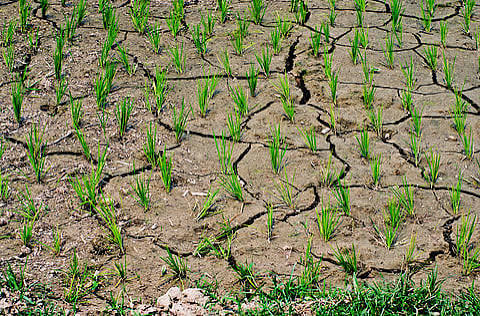
Weather remains perhaps the most important short-term uncertainty for the 2026–27 season. Climate-related events such as drought, excessive rainfall and extreme heat can quickly change production forecasts.
The potential influence of El Niño and other large-scale climate patterns is also being closely monitored. Regional weather disruptions may not create a global shortage by themselves, but simultaneous production problems in several major exporting regions could put significant pressure on markets.
What It Means for Farmers
For farmers, the new marketing year presents both opportunities and risks. Relatively comfortable supplies could limit price gains, while unexpected production losses or stronger international demand could create opportunities for higher returns.
Input costs, currency movements and export demand will also influence farm profitability. Farmers and agricultural businesses will therefore need to closely monitor market signals rather than relying solely on current supply estimates.
Overall, the 2026–27 global grain season begins from a relatively stable supply position, but the market environment is becoming increasingly complex. Weather, geopolitics, trade policies and changing demand patterns could all reshape the outlook during the year.
For traders, policymakers and farmers, the ability to respond quickly to new information will be crucial. While current inventories provide a degree of protection against supply shocks, global grain markets remain highly interconnected—and even a regional disruption can have international consequences.


 By
By











