

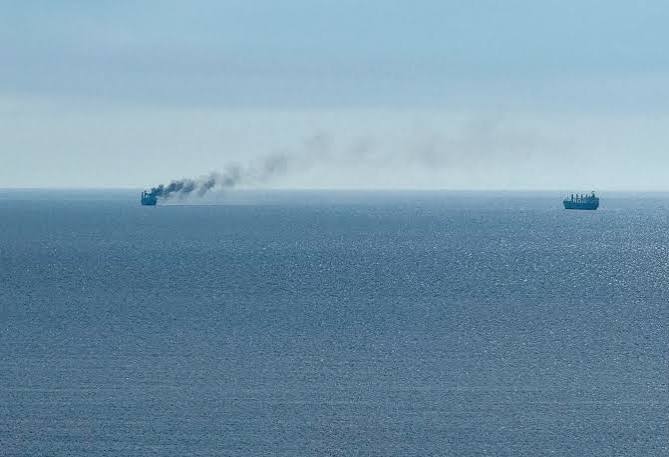
Global wheat buyers are becoming increasingly concerned about tighter supplies and disrupted shipments as attacks targeting grain infrastructure around the Black Sea create additional risks for international trade. The region remains one of the world’s most important wheat-exporting hubs, making any prolonged disruption potentially significant for global food markets.
The Black Sea is a major source of wheat for countries across the Middle East, North Africa and parts of Asia. Russia, Ukraine and other countries in the region play an important role in supplying international markets. Millions of tonnes of grain move through ports in the region each year, making the security of these transportation routes crucial for import-dependent nations.
Disruptions Threaten Export Flows
Attacks affecting ports, storage facilities and other agricultural infrastructure can disrupt the movement of grain even when sufficient supplies are available. Damage to infrastructure can delay loading operations, interrupt transportation schedules and increase the time required to deliver wheat to overseas buyers.
Shipping companies and exporters may also face higher insurance and security costs when operating in areas affected by conflict. These additional expenses can increase the overall cost of wheat shipments and potentially influence prices paid by international buyers.
For countries that rely heavily on Black Sea wheat, uncertainty over shipments could encourage importers to secure supplies from alternative origins. This could increase competition for wheat from major exporters in other regions.
Import-Dependent Countries Face Greater Risk
Countries across North Africa and the Middle East are particularly sensitive to changes in Black Sea wheat availability because many rely on imported grain to meet domestic food requirements.
Any prolonged disruption could force buyers to seek alternative suppliers, potentially increasing freight distances and procurement costs. Governments may also become more cautious about maintaining strategic wheat reserves to protect domestic food security against future supply disruptions.
Global Wheat Prices Could Face Pressure
The impact on global wheat prices will depend on the scale and duration of the disruptions. If exports continue with only temporary delays, the effect on global supplies may remain limited. However, a prolonged reduction in shipments could tighten available supplies in international markets.
Higher freight rates, insurance premiums and rerouting costs could further increase the delivered price of wheat, even if global production remains relatively strong.
Trade Routes Under Greater Pressure
The latest developments are also encouraging exporters to explore alternative transportation routes. Diversification can help maintain supplies, but alternative routes may involve longer distances and higher costs.
For the global wheat market, this means logistics are becoming as important as production levels in determining supply security. A country may have sufficient wheat available for export, but disruptions to ports and transportation infrastructure can still prevent that grain from reaching international buyers efficiently.
Outlook
The situation around the Black Sea is being closely watched by governments, grain traders, millers and food-importing countries. Continued attacks could increase uncertainty around shipment schedules and encourage greater diversification of global wheat sourcing.
Overall, the disruption to Black Sea grain infrastructure highlights the vulnerability of global wheat supply chains to geopolitical risks. If export routes remain affected for an extended period, tighter availability, higher transportation costs and increased competition among international buyers could put additional pressure on the global wheat market.


 By
By











