

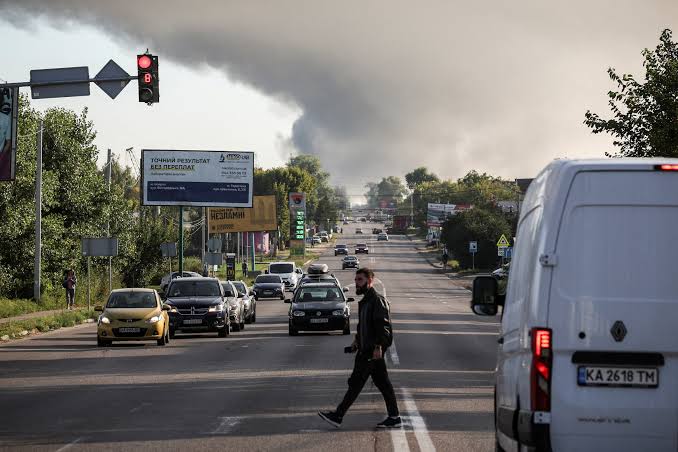
Ukraine’s agricultural supply chain is facing renewed pressure as intensified Russian attacks damage food-storage and logistics infrastructure across the country. The destruction of key facilities is raising concerns about the movement and distribution of food products, while highlighting the continuing vulnerability of Ukraine’s agricultural sector during the ongoing conflict.
Ukraine is a major agricultural producer and exporter, supplying wheat, corn, sunflower oil and other commodities to international markets. Its food system depends on an extensive network of farms, grain elevators, warehouses, processing facilities, roads, railways and ports. Damage to any part of this network can create disruptions far beyond the directly affected area.
Major Damage to Food Logistics
Ukraine’s agriculture minister said that attacks had destroyed around 90% of the food logistics operations of one major retailer. The scale of the damage illustrates how military attacks are increasingly affecting not only agricultural production but also the infrastructure required to store, process and deliver food.
Food logistics facilities are particularly important because agricultural commodities often require temporary storage and processing before reaching consumers or export markets. Damage to warehouses, distribution centers and transportation infrastructure can therefore create bottlenecks even when sufficient food is available.
Risks for Farmers and Food Distribution
Disruptions to logistics can make it more difficult for farmers to move harvested crops to storage or processing facilities. In some areas, limited storage capacity can force producers to sell crops quickly, potentially weakening their bargaining position and increasing post-harvest losses.
Retail and food-distribution networks also face additional challenges when warehouses and transport facilities are damaged. Longer transportation routes, shortages of storage space and security risks can increase operating costs and complicate deliveries.
For consumers, prolonged disruptions could contribute to higher food prices in affected regions, particularly if transportation and distribution costs continue to rise.
Implications for Global Agricultural Trade
The impact extends beyond Ukraine because the country remains an important supplier of agricultural commodities to global markets. Disruptions to its domestic logistics system can affect export volumes, shipment schedules and the cost of moving agricultural products to international buyers.
Ukraine has previously adapted its export system by relying on alternative routes, including land corridors and Danube ports, when Black Sea access has been disrupted. However, these alternatives can involve higher transportation costs and limited capacity.
Agricultural Infrastructure Under Pressure
The latest attacks demonstrate the broader risks facing agricultural infrastructure during prolonged conflict. Modern food systems rely on interconnected networks, meaning damage to storage, processing or transportation facilities can have cascading effects across the supply chain.
Maintaining adequate storage capacity and reliable transport routes is therefore essential for Ukraine’s farmers and food industry. Continued investment in resilient infrastructure and alternative logistics corridors could become increasingly important as security risks persist.
Outlook
Ukraine’s agricultural sector continues to operate under exceptionally challenging conditions. Damage to food logistics infrastructure could increase costs, complicate domestic food distribution and create additional obstacles for agricultural exports.
The reported destruction of around 90% of one major retailer’s food logistics operations underscores the severity of the situation. As attacks continue, the resilience of Ukraine’s food supply chain will remain critical not only for domestic food security but also for the stability of international agricultural markets.


 By
By











