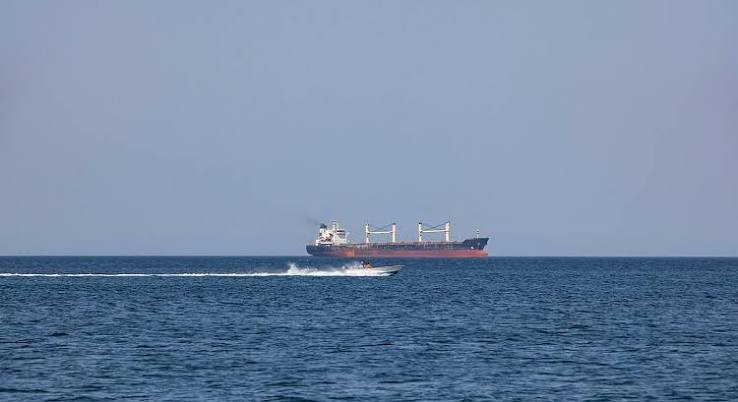
Disruptions to shipping through the Strait of Hormuz are raising concerns about agricultural production, fertilizer availability and global food security. According to a Reuters report published on October 15, citing a United Nations agency head, interruptions to maritime transport are beginning to affect agricultural harvests. The development highlights the vulnerability of global food systems to geopolitical tensions and disruptions along critical international trade routes.
The Strait of Hormuz, located between Iran and Oman, is one of the world’s most important maritime chokepoints for energy transportation. Its strategic importance extends beyond the oil and gas sector because energy prices, shipping costs and the availability of essential agricultural inputs are closely interconnected. Any prolonged disruption in this corridor could create additional challenges for farmers, fertilizer suppliers, food producers and importing countries.
Agriculture depends on the timely availability of fertilizers, fuel, crop protection products and other essential inputs. International trade plays a major role in moving these resources from production centres to agricultural markets. When shipping operations are interrupted, deliveries can be delayed, freight charges may increase and buyers may face difficulties securing supplies at affordable prices. These challenges can be particularly serious during critical agricultural seasons, when farmers need fertilizers and other inputs at specific stages of crop growth.
Fertilizer availability is a major concern because nutrients such as nitrogen, phosphorus and potassium are essential for maintaining crop productivity. Nitrogen fertilizer production is closely linked to natural gas availability and prices, while energy and transportation expenses influence manufacturing, distribution and international trade. If shipping disruptions continue, countries that rely heavily on imported fertilizers could experience higher procurement costs and uncertainty over delivery schedules. Farmers may consequently face increased cultivation expenses, potentially affecting their profit margins and decisions regarding input use.
The impact could extend throughout the agricultural supply chain. Higher fuel and freight costs can increase expenses for transporting farm inputs, moving harvested crops, processing food and distributing agricultural commodities. Depending on the duration and severity of the disruption, some of these additional costs could eventually contribute to higher food prices. Low-income households and countries heavily dependent on imported food and agricultural inputs may be particularly vulnerable to prolonged supply-chain pressures.
However, the overall impact will depend on several factors, including the length of the shipping disruption, the availability of alternative transport routes, existing fertilizer inventories and the ability of international suppliers to redirect shipments. Countries with diversified import sources, adequate reserves and efficient distribution systems may be better equipped to manage temporary interruptions.
The situation also highlights the importance of strengthening agricultural supply-chain resilience. Governments and industry stakeholders can reduce risks by diversifying fertilizer imports, monitoring inventories, improving logistics and encouraging balanced nutrient management. Soil testing, efficient fertilizer application and the responsible use of locally available nutrient sources can also help farmers improve input efficiency without compromising crop requirements.
The developments surrounding the Strait of Hormuz demonstrate how geopolitical tensions can influence agricultural operations far beyond the immediate region. Although the long-term consequences remain uncertain, prolonged shipping disruptions could place additional pressure on farm production costs, crop yields and food markets. Maintaining reliable access to agricultural inputs and closely monitoring international trade conditions will therefore be essential to protecting farmer livelihoods and global food security.


 By
By