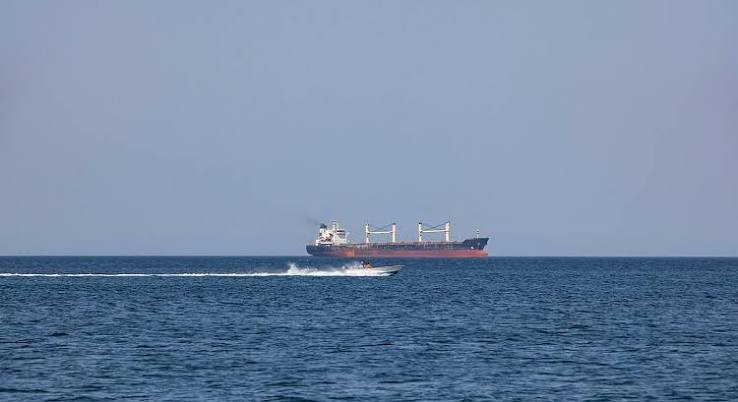
Global fertilizer supply disruptions linked to shipping difficulties in the Strait of Hormuz are raising concerns about agricultural production and food security, particularly in parts of Asia and Africa. A proposed United Nations-backed mechanism to facilitate fertilizer shipments through the strategic waterway remains dependent on an agreement between the United States and Iran. According to a report published on October 15, a UN official warned that continued delays could trigger a food security crisis in vulnerable regions if farmers miss critical planting windows.
The Strait of Hormuz plays an important role in international fertilizer trade. Before the current disruption, the route reportedly handled approximately one-third of globally traded urea, a widely used nitrogen fertilizer essential for crop growth. Any prolonged interruption to shipments through this corridor could affect the movement of fertilizer supplies to importing countries and increase uncertainty across agricultural markets.
Timely fertilizer application is essential for maintaining crop productivity. Farmers need access to appropriate nutrients during specific stages of crop development, and delays in fertilizer deliveries can complicate planting schedules and crop management decisions. If supplies arrive after the recommended application period, farmers may struggle to maintain planned production levels, potentially affecting yields and farm incomes.
The impact could be particularly significant in countries that depend heavily on imported fertilizers and have limited financial resources to absorb sudden price increases. Higher international prices, increased freight charges and supply shortages could raise cultivation costs for farmers. Some producers may respond by reducing fertilizer application, changing cropping plans or shifting towards crops that require different input levels. Such adjustments could influence agricultural output and the availability of food commodities in domestic markets.
The risks extend beyond individual farms. Fertilizer shortages can affect the broader agricultural value chain, including grain production, food processing, transportation and retail distribution. If lower crop production coincides with higher energy and logistics costs, food prices could face additional upward pressure. Poorer households, which generally spend a larger share of their income on essential food items, may be particularly exposed to these increases.
The proposed UN-backed mechanism is intended to help address shipping challenges and facilitate the movement of essential fertilizer supplies through the Strait of Hormuz. However, its implementation depends on diplomatic agreement and practical arrangements that would allow shipments to proceed. Until a workable solution is established, fertilizer buyers and agricultural businesses may continue to face uncertainty over delivery schedules, supply availability and prices.
Governments and agricultural organizations can help limit the potential damage by monitoring fertilizer inventories, diversifying import sources and improving the distribution of available stocks. Farmers can also benefit from soil testing, balanced nutrient management and more efficient fertilizer application, helping them make better use of available inputs. These measures cannot completely replace disrupted international supplies, but they can reduce avoidable losses and improve the resilience of agricultural production systems.
The situation highlights the close relationship between international shipping, fertilizer availability and global food security. If disruptions continue and farmers miss essential planting or nutrient-application windows, the consequences could extend into future harvests. The timely restoration of reliable fertilizer shipments, combined with coordinated international action and effective domestic supply management, will be important for protecting agricultural productivity, stabilizing food markets and supporting farmers in vulnerable regions.
Editorial note: This article is independently written from the information provided. Verify the reported UN-backed mechanism, the one-third urea trade estimate and the October 15 attribution against the original source before publication.


 By
By