Unusually wet weather during September has created significant challenges for Canadian farmers, delaying harvesting operations and raising concerns about crop quality across the Prairie provinces. Spring wheat and pulse crops, including lentils, have been particularly affected by excess moisture and unfavorable field conditions. The situation could influence the quality of harvested grain, farmers’ incomes and Canada’s ability to supply export markets with grain that meets required quality standards.
According to a Reuters report, Saskatchewan’s harvest was only 41% complete in late September, significantly below the five-year average of 82% for the same period. The gap highlights the extent of the harvesting delays caused by wet conditions during a crucial period for Canadian agriculture. When fields remain too wet for machinery, farmers may be unable to harvest mature crops on schedule, increasing the risk of deterioration before the grain can be collected and stored safely.
Excessive moisture can affect harvested crops in several ways. Wheat exposed to prolonged wet conditions may experience pre-harvest sprouting, in which grains begin germinating while still on the plant. This can reduce grain quality and affect its suitability for particular processing and end-use applications. Rain and persistent humidity can also complicate drying and storage, increasing the need for careful handling to prevent further deterioration.
Pulse crops, including lentils, can also suffer quality losses when harvesting is delayed. Wet field conditions may increase the risk of discoloration, staining and uneven crop maturity, potentially affecting the commercial grade of the harvested produce. Since quality specifications play an important role in the marketing of pulses, deterioration can reduce the price farmers receive and limit access to certain buyers.
The consequences may extend beyond individual farms. Canada is a major international supplier of wheat, canola and pulses, making crop quality and harvest progress important factors for global agricultural markets. If a substantial share of the harvest fails to meet higher-grade specifications, the quantity of grain available for particular export markets could be affected. However, the overall impact will depend on the final harvested volume, the proportion of crops meeting different quality grades and the availability of supplies from other producing regions.
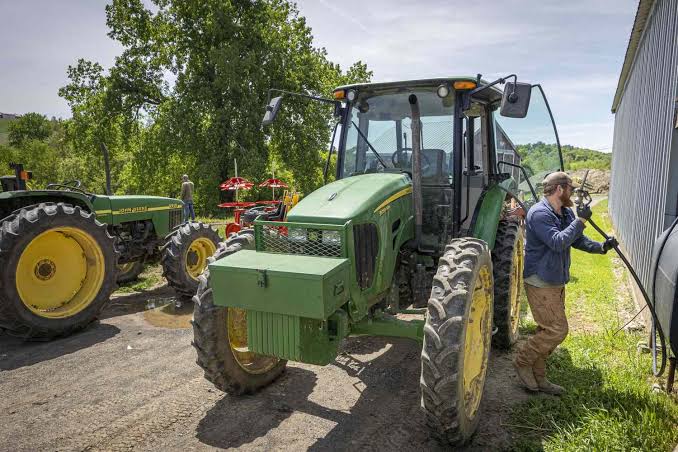
Harvest delays can also increase production costs. Farmers may need to spend more on drying, grain handling and storage, while prolonged field operations can put additional pressure on labor, machinery and farm management schedules. Where crop quality deteriorates, producers may face lower selling prices at the same time that their operating expenses increase, squeezing already uncertain profit margins.
The extent of the damage will become clearer as harvesting progresses and agricultural authorities, grain handlers and industry participants complete their crop assessments. Weather conditions in the coming weeks, the ability to access wet fields and the effectiveness of grain drying and storage will all influence the final outcome.
The situation highlights the growing importance of weather risk management in modern agriculture. Timely harvesting, suitable grain storage, effective drying facilities and access to reliable weather information can help farmers reduce losses when unfavorable conditions occur. For Canadian producers, the immediate priority will be to complete harvesting wherever field conditions permit while protecting the quality of the grain already collected.
Although the full effect on Canada’s wheat, canola and pulse exports remains uncertain, the delayed harvest demonstrates how excessive rainfall during a critical agricultural window can affect crop quality, farm profitability and international supply chains. Final production and quality assessments will be essential to determining the extent of the impact on domestic grain markets and global agricultural trade.


 By
By