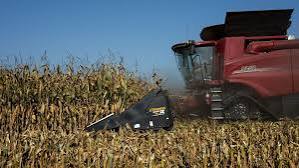
Global food prices climbed to their highest level in nearly four years in September 2026, driven by increases in cereal and sugar prices and continuing uncertainty across international agricultural markets. According to the Food and Agriculture Organization of the United Nations (FAO), the FAO Food Price Index rose to 136.0 points in September, compared with 134.0 points in August. The increase brought the index to its highest level since November 2022, highlighting renewed pressure on global food markets.
Cereal prices recorded a significant increase during the month, rising by 5.1%, while sugar prices climbed by 6.1%. Vegetable oil prices also moved higher, adding to the overall upward pressure on the index. The increases reflect a combination of supply-chain challenges, weather-related risks and uncertainty surrounding international commodity shipments. Shipping constraints and disruptions affecting grain exports from the Black Sea region have also contributed to concerns about the timely movement of agricultural commodities to international markets.
Cereals, including wheat, maize and rice, are essential components of the global food supply. Changes in their prices can influence food manufacturing, livestock feed costs and consumer expenditure. When grain prices rise, the effects can extend across the agricultural value chain, affecting millers, food processors, livestock producers and retailers. In countries that depend heavily on imported cereals, higher international prices can also increase import bills and place additional pressure on domestic food markets.
The rise in sugar prices has added another source of concern for food manufacturers and consumers. Sugar production and trade are influenced by weather conditions, crop yields, energy costs and the availability of exportable supplies. Price increases can affect the cost of processed foods and beverages, although the extent of the impact varies according to domestic production levels, import dependence and government policies.
Weather uncertainty remains an important factor shaping agricultural market expectations. Adverse conditions in major producing regions can affect crop development, harvesting schedules and export availability. At the same time, logistical constraints can increase transportation costs or delay deliveries even when sufficient commodities are available globally. These factors make international food markets sensitive to changes in both production forecasts and trade flows.
Despite the increase in food prices, the global cereal production outlook remains comparatively strong. FAO maintained its forecast for global cereal production in 2026 at approximately 2.979 billion tonnes, which would represent the second-highest level on record. This outlook suggests that overall global production could remain substantial, although the distribution of supplies, the quality of harvests and the accessibility of grain in individual markets will remain important considerations.
However, FAO lowered its forecast for global cereal trade in the 2026/27 marketing year. A reduction in the trade outlook can reflect changing expectations for international shipments and market demand, even when overall production remains high. Export restrictions, logistical challenges, price differences between markets and changes in import requirements can all influence the volume of cereals traded internationally.
For farmers, food processors and agricultural businesses, the latest figures underline the importance of monitoring commodity prices, production forecasts and international trade developments. Higher crop prices may benefit some producers, but increased fertilizer, fuel, transportation and other input expenses can limit the gains. Consumers, meanwhile, may face additional pressure if higher commodity costs are passed through to retail food prices.
The September increase in the FAO Food Price Index highlights the continuing sensitivity of global food markets to supply-chain disruptions, weather risks and changing trade conditions. Although the production forecast points to a substantial global cereal harvest, uncertainty over trade flows and commodity availability remains. The direction of food prices in the coming months will depend on actual harvest outcomes, export volumes, logistics and developments in major agricultural producing and consuming regions.


 By
By