The Biden administration has ruled out offering legal status, or “amnesty,” to undocumented farmworkers as part of its current immigration policy framework, signaling a shift that could have significant implications for the agricultural labor force. At the same time, federal officials are examining stricter eligibility rules for Medicaid, with a focus on potential misuse or over-enrollment.
Tougher Line on Undocumented Labor
Despite earlier discussions around comprehensive immigration reform that included a possible pathway to citizenship for farmworkers without legal status, the administration is now backing away from such proposals. According to senior White House officials, the focus is instead on tightening border controls and enforcing existing immigration laws.
“While we acknowledge the important role that farmworkers play in our food supply chain, we must first ensure that immigration laws are respected and border security is maintained,” said a senior Department of Homeland Security official.
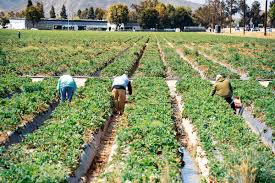
The move is expected to draw criticism from labor advocates and agricultural employers who have long relied on undocumented labor due to a shortage of domestic farmworkers. According to industry estimates, over half of the U.S. agricultural workforce lacks legal status.
Medicaid Scrutiny Intensifies
In a related policy review, the Department of Health and Human Services (HHS) is exploring ways to prevent ineligible individuals from accessing Medicaid benefits. The initiative includes re-verifying income levels, residency status, and immigration eligibility among existing recipients.
Officials say the effort aims to ensure that taxpayer-funded healthcare benefits are reserved for those who meet legal and financial qualifications. “We are committed to protecting the integrity of our public health programs,” said HHS Secretary Xavier Becerra.
The review may impact some non-citizen populations currently receiving Medicaid under emergency or temporary coverage provisions, particularly those without lawful permanent resident status.
Divided Reactions Across Political Lines
Republican lawmakers praised both policy directions, viewing them as overdue measures to restore rule of law and reduce government spending. “This is the kind of accountability American taxpayers deserve,” said Senator J.D. Vance (R-OH).
In contrast, immigrant advocacy groups and public health organizations warned that these actions could harm vulnerable populations, especially essential workers and low-income families who depend on Medicaid for basic healthcare access.
Agricultural Industry Concerns
Farm owners in states like California, Texas, and Florida have voiced concern that the tightening of immigration policies could worsen the existing labor shortage. Some are calling for alternative guest worker programs or emergency relief measures to maintain food production.
“There’s a real risk that crops will go unharvested,” said Rachel Morales, a spokesperson for the American Farm Bureau Federation. “We need realistic policies that support both national security and economic stability.”
What’s Next?
The administration has not ruled out introducing future reforms for legal farmworker programs, but for now, undocumented laborers remain excluded from any amnesty or legal status discussions. Meanwhile, the Medicaid eligibility review is expected to roll out in phases over the coming months.
Both policy developments reflect a broader federal effort to reassess immigration and welfare programs signaling a more enforcement-driven approach in the lead-up to the 2026 midterm elections.

 By
By