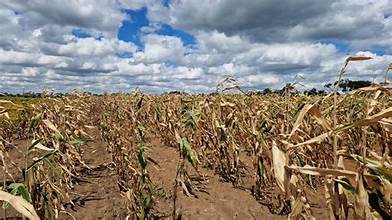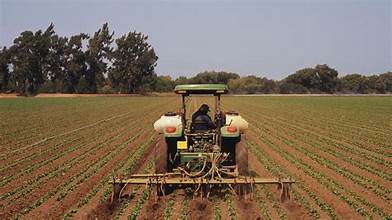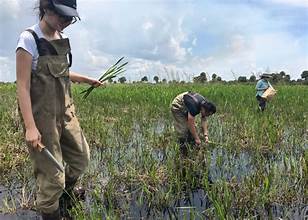
A new global study has raised alarms over the rapid conversion of grasslands and wetlands into agricultural land, warning that the trend is accelerating and eroding some of the planet’s most vital carbon sinks. Researchers say the pace of land-use change is now surpassing earlier projections, posing significant risks for climate stability, biodiversity, and long-term ecosystem services.
According to the study, increasing demand for food, feed, and biofuel crops is driving farmers and agribusinesses to clear ecologically sensitive landscapes at unprecedented rates. Grasslands, which store large quantities of carbon underground, and wetlands, which act as natural water filters and climate regulators, are being replaced by intensive farming systems. This shift is releasing previously locked carbon into the atmosphere and reducing habitats for thousands of species.
Scientists warn that the degradation of these ecosystems not only contributes to rising greenhouse gas emissions but also weakens the resilience of landscapes against droughts, floods, and soil erosion. Many converted areas are already showing signs of reduced fertility and higher sensitivity to climate extremes.
The study calls for stronger global monitoring systems, better land-use governance, and incentives that promote sustainable intensification instead of expansion. Without immediate intervention, researchers caution that the world could lose critical natural buffers that play an essential role in balancing the global climate.

 By
By