

Rising fertilizer prices and ongoing supply disruptions linked to tensions in the Middle East are creating fresh risks for global food prices, raising concerns about agricultural stability and food security worldwide. Experts warn that the situation could push millions more people into food insecurity if corrective measures are not taken in time.
A major factor behind the current crisis is the disruption of key fertilizer supply chains. The Middle East plays a crucial role in the production and export of essential inputs such as ammonia, urea, and phosphates. Any instability in the region directly impacts global availability, leading to shortages and sharp price increases. Farmers across both developed and developing countries are already feeling the strain of higher input costs.
Fertilizers are critical for maintaining crop yields, especially for staple foods like wheat, rice, and maize. As prices rise, many farmers are forced to reduce usage or delay purchases, which can negatively affect productivity. Lower fertilizer application often leads to reduced crop output, tightening global food supplies and putting upward pressure on prices.
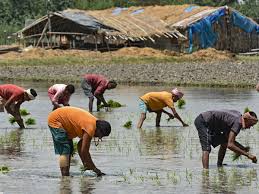
The impact is expected to be particularly severe in import-dependent countries, where governments may struggle to secure adequate supplies or provide subsidies to farmers. Nations in Asia and Africa are especially vulnerable, as agriculture remains a primary source of livelihood and food access for large populations. Reduced production in these regions could lead to higher food prices, increased poverty, and heightened risks of malnutrition.
Global agricultural markets are highly interconnected, meaning disruptions in one region can quickly ripple across the world. Higher fertilizer costs not only affect crop production but also influence transportation and processing expenses, further contributing to inflation in food prices. Consumers are likely to experience rising costs for essential food items in the coming months.
International organizations have raised alarms about the broader implications. Prolonged disruptions could reverse progress made in reducing hunger and poverty over the past decade. Vulnerable communities, particularly in low-income countries, are expected to bear the brunt of the crisis.
Governments and policymakers are exploring various strategies to mitigate the impact. These include securing alternative fertilizer sources, increasing domestic production, promoting efficient nutrient management practices, and encouraging the use of organic alternatives. However, experts caution that such measures may take time to produce results.
The current situation highlights the fragility of global food systems and their dependence on stable supply chains. As geopolitical tensions continue, ensuring the availability of critical agricultural inputs will be essential to maintaining food security and market stability.
In the coming months, the trajectory of global food prices will largely depend on how quickly supply chains can stabilize and whether coordinated international efforts can ease the pressure. Until then, the risk of rising food insecurity remains a serious global concern.


 By
By











