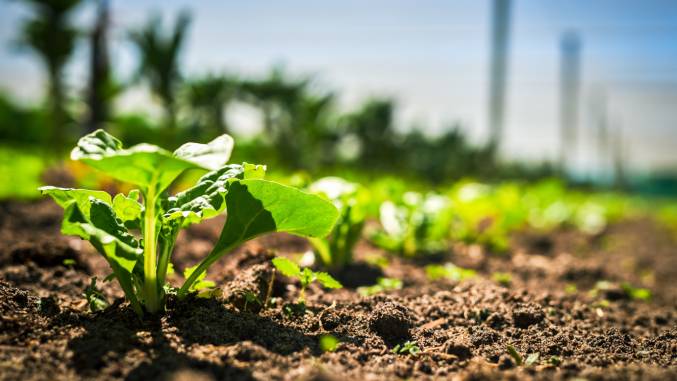
Agricultural technology is advancing at an unprecedented pace, with new innovations reshaping how food is produced, monitored and taught. Two developments—hydroponic container farming in education and data-driven regenerative agriculture platforms in the supply chain—are emerging as major drivers of the sector’s digital transformation.
Across schools, universities and agricultural training centres, hydroponic container farms are rapidly becoming the preferred model for practical education in modern horticulture. These climate-controlled, soil-free systems allow students to grow leafy greens, herbs and vegetables year-round with minimal water and land use. Educators say the technology provides a hands-on learning environment that mirrors the challenges and possibilities of real-world vertical farming.
The adoption of container-based hydroponics is driven by multiple advantages: modular installation, predictable production cycles, remote monitoring and the ability to conduct controlled experiments on nutrient management, crop varieties and light optimisation. Many institutions are aligning hydroponic curricula with climate-smart agriculture goals, exposing students to techniques that will be essential as water scarcity and extreme weather increasingly constrain traditional cultivation.
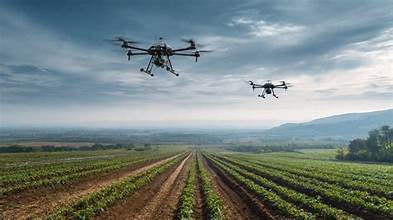
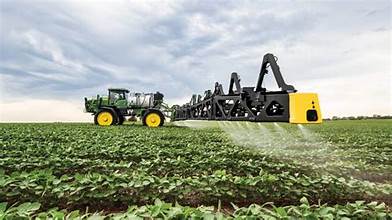
Parallel to this educational shift, tech firms and sustainability-focused agribusinesses are forging new partnerships to scale regenerative agriculture through advanced data platforms. These digital systems integrate satellite imagery, soil analytics, carbon modelling, IoT sensors and machine-learning algorithms to help farmers implement and verify regenerative practices such as cover cropping, residue retention, diversified rotations and reduced tillage.
The objective is twofold: to improve the ecological resilience of farms and to create transparent, quantifiable metrics that corporate buyers can use to assess sustainability performance across their supply chains. As global food companies commit to net-zero targets, carbon-positive sourcing and biodiversity protection, demand is surging for credible, data-backed regenerative frameworks.
Tech firms participating in these collaborations note that data is becoming the new backbone of agricultural transformation. Precise geospatial mapping allows for farm-level interventions, early warnings of soil degradation, and real-time monitoring of crop growth and water stress. In many regions, digital platforms are replacing paper-based verification processes, enabling scalable regenerative programmes that can cover thousands of farms across multiple countries.
Farmers stand to benefit from these innovations through improved yields, reduced input costs and access to premium markets that reward climate-smart production. However, experts caution that digital inclusion will be essential. Smallholders in developing countries may struggle with connectivity gaps, limited access to hardware, and lack of training—barriers that must be addressed to ensure equitable participation in data-driven agriculture.
Industry analysts emphasise that the convergence of hydroponics, regenerative agriculture and digital technologies signals a broader shift toward diversified, resilient and traceable food systems. As climate challenges intensify, the agriculture sector is moving rapidly toward models that emphasise efficiency, environmental stewardship and real-time decision support.
Both educational hydroponics programmes and regenerative data platforms are expected to expand significantly in the coming years, supported by public–private partnerships, innovation grants and sustainability-linked investment. Together, these technologies represent a transformative pathway for global agriculture—one that equips future farmers, empowers current producers and strengthens food systems from the ground up.

 By
By