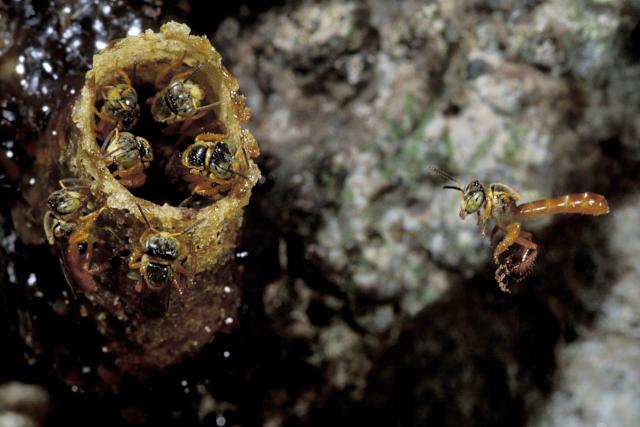
In a historic move for environmental protection, stingless bees in Peru’s Amazon rainforest have been legally recognized as holders of rights, marking a world-first decision focused specifically on pollinator conservation. The ruling grants these native bees the right to exist, regenerate, and fulfill their ecological role, signaling a major shift in how biodiversity is protected under the law.
Stingless bees are vital to Amazonian ecosystems and local agriculture. Unlike honeybees, these native pollinators are uniquely adapted to tropical forests and play a critical role in pollinating a wide range of crops and wild plants. Their activity supports food production, forest regeneration, and the livelihoods of Indigenous and rural communities that rely on both agriculture and forest resources.
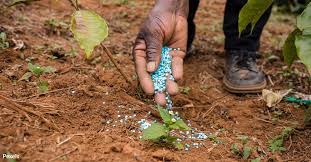
The legal recognition was granted as part of a broader environmental protection case aimed at safeguarding fragile Amazon ecosystems from deforestation, habitat loss, and unsustainable land use. By acknowledging bees as rights-bearing entities, authorities aim to ensure stronger legal safeguards against activities that threaten pollinator populations, such as pesticide misuse, illegal logging, and monoculture expansion.
Environmental experts describe the decision as a breakthrough for pollinator conservation at a time when insect populations are declining globally. Pollinators contribute to the production of more than one-third of the world’s food crops, and their decline poses serious risks to food security, farm incomes, and ecosystem stability. In tropical regions, native pollinators like stingless bees are especially important because they pollinate crops that are poorly served by non-native species.
The ruling also reflects a growing international trend toward granting legal rights to elements of nature, such as rivers, forests, and ecosystems. Supporters argue that this rights-based approach provides stronger tools to prevent environmental harm and hold governments and companies accountable for ecological damage.
For agriculture, the implications could be far-reaching. Stronger pollinator protection supports stable crop yields, especially for fruits, nuts, and vegetables. The decision may encourage more pollinator-friendly farming practices, including reduced chemical use and the preservation of natural habitats within agricultural landscapes.
Globally, the move is being closely watched by policymakers, conservationists, and agricultural organizations. It could influence future biodiversity laws and inspire similar protections for pollinators in other countries. As climate change and intensive farming place increasing pressure on ecosystems, Peru’s recognition of stingless bees’ rights highlights the growing link between environmental protection, sustainable agriculture, and long-term food security.

 By
By