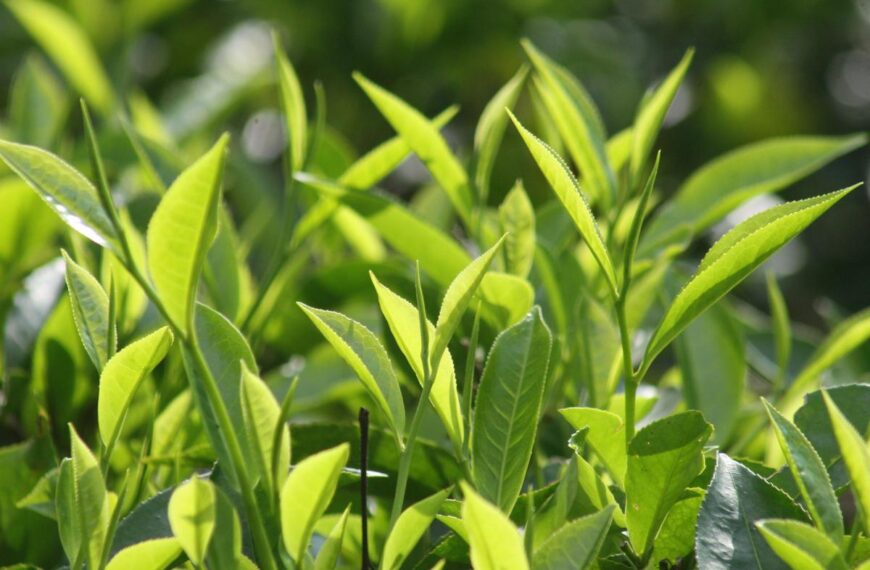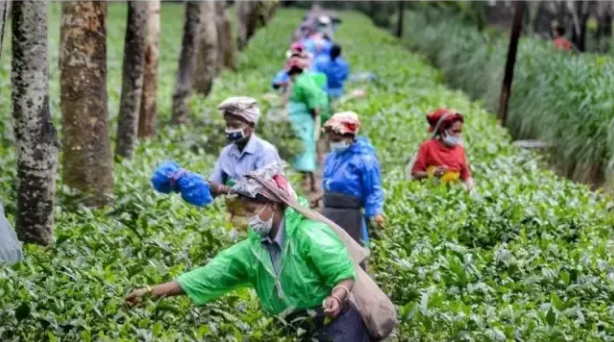
Assam’s tea growers, particularly small-scale farmers, are facing a deepening crisis due to rising imports of cheaper tea from African countries, mounting production costs, and the growing impact of climate change. These factors are not only hurting farmers’ incomes but also threatening the global reputation of Assam tea.
Surge in Imports from Kenya
One of the most pressing concerns is the sharp rise in tea imports from Africa, especially Kenya. Tea exports from Kenya to India jumped from 5.26 million kg in 2023 to 17.13 million kg in 2024, marking a steep 225% increase. Between January and June 2025 alone, Kenya exported 6.69 million kg of tea to India, compared to 4.61 million kg in the same period last year.
Packers and brands reportedly blend this low-cost imported tea with Assam tea and re-export it under the “Assam Tea” label. This practice is eroding both the market value and the brand identity of authentic Assam tea in international markets.
Falling Prices for Farmers
Small tea growers are also reeling under a sharp fall in prices for green leaves. For instance, in Golaghat district, grower Asim Saikia said he now receives just ₹14–15 per kg, compared to ₹25–26 per kg last year.
With plucking costs alone exceeding ₹10 per kg, plus additional transport expenses, farmers are struggling to break even, let alone earn a profit.
Small tea growers those with less than 10 hectares of land contribute nearly 55% of Assam’s total tea production. Their financial stress is therefore having a cascading impact on the state’s entire tea industry.
Climate Change Adding to Woes
Adding to the economic strain, climate variability is affecting both yield and the distinctive flavor of Assam tea. Extreme weather events such as floods, droughts, and heatwaves have disrupted production.
- In FY 2023–24, Assam’s tea output fell to 661.39 million kg, a decline of 36.99 million kg from the previous year.
- In calendar year 2023, production dipped to 674.86 million kg from 688.70 million kg in 2022.
- By 2024, production fell further to 649.84 million kg, though Assam still accounted for over 50% of India’s tea output.
Disproportionate Impact on Small Growers
Unlike large estates, small growers typically lack their own processing factories, forcing them to sell fresh leaves to bigger producers at unfavorable rates. Many have also voiced concern over inadequate support from regulatory bodies such as the Tea Board of India.
Way Forward: Protecting Assam Tea’s Legacy
Industry associations and farmers’ groups are calling for:
- Stricter monitoring of imports to shield domestic producers.
- Effective use of Assam tea’s Geographical Indication (GI) tag to prevent re-export of blended or adulterated products as “Assam Tea.”
- Government support for adopting climate-resilient farming practices and providing financial aid to affected growers.
- Organizing small farmers into cooperatives and strengthening their processing capacity, enabling them to connect directly with markets and secure better prices.
Conclusion
Assam’s tea industry built on a 200-year-old legacy is at a crossroads. With imports rising, climate change intensifying, and farmers struggling under low prices, experts warn that immediate and coordinated action is needed from the government, industry bodies, and regulators. Without a robust strategy, both the livelihoods of thousands of farmers and the global prestige of Assam tea could be at risk.

 By
By