Recent African Union–European Union (AU–EU) dialogues on research and innovation have underscored the critical role of stronger partnerships between science and business in transforming agri-food systems across Africa and Europe. Discussions held in Brussels alongside the AU–EU Senior Officials Meeting revealed a shared consensus: innovation can only deliver real impact when research outcomes are effectively connected to markets, finance, and end users.
On 21 October 2025, policymakers, researchers, and private-sector representatives gathered to explore how AU–EU research and innovation strategies can shape the future of food systems in Africa. Participants emphasized that while scientific knowledge remains essential, it must translate into practical, scalable solutions that address real economic and agricultural challenges. In this context, the proposed AU–EU International Research Consortium (IRC) was highlighted as a potential catalyst, provided it actively bridges the gap between research institutions, businesses, and financial actors.
Several priority actions emerged from the discussions. These included aligning research agendas with the needs of farmers, agribusinesses, and small and medium-sized enterprises, as well as identifying technologies that are ready for market deployment. Facilitating access to finance and clearly demonstrating the economic and social value of innovation were also identified as key to increasing private-sector engagement. Participants pointed to co-design platforms—where researchers, cooperatives, and companies collaborate from the outset—as an effective way to accelerate innovation uptake.
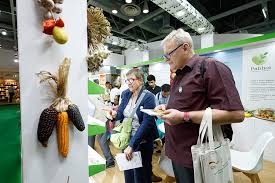
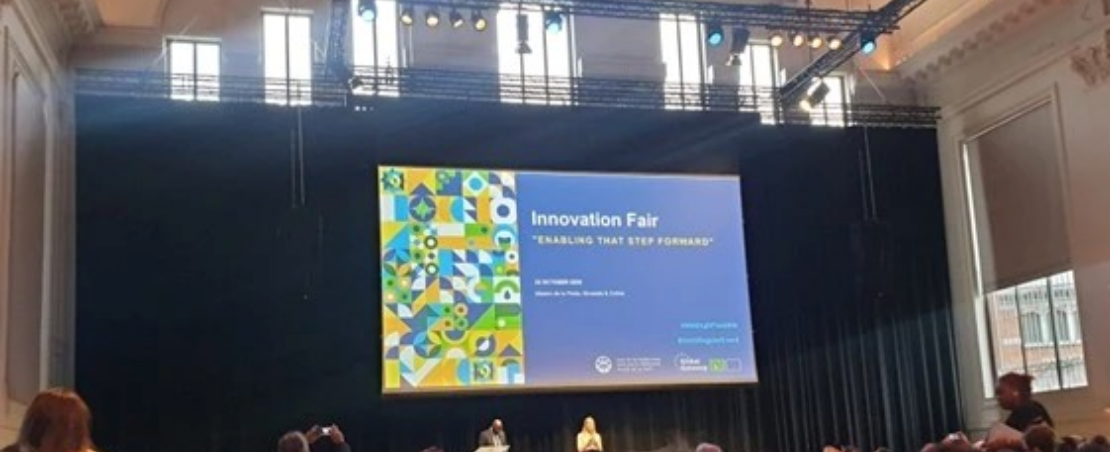
These insights were reinforced during the EU–AU Innovation Fair 2025, held on 23 October in Brussels as part of the Global Gateway initiative and the AU–EU Innovation Agenda 2023–2033. The fair showcased a wide range of existing solutions, including new technologies, sustainable business models, and circular economy approaches. It highlighted how stronger connections between research ecosystems and market actors can support inclusive growth and build more resilient agri-food systems.
COLEAD plays an active role in advancing this agenda through its programmes and partnerships, working to connect research, businesses, and local territories. A key focus is supporting the adoption and scaling of sustainable innovations, particularly within African agri-food systems.
This work is supported by the Fit For Market Plus (FFM+) programme, implemented by COLEAD under the development cooperation framework between the Organisation of African, Caribbean and Pacific States and the European Union. The initiative reflects a shared commitment to fostering innovation-driven, sustainable, and market-oriented agri-food development.


 By
By