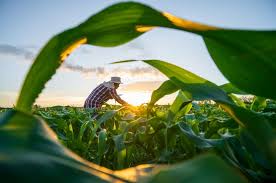
Australia is moving to formally integrate food security into its national defense framework, recognizing agriculture and critical farm inputs as strategic assets essential to economic stability and national resilience. The policy shift mirrors elements of the approach adopted by the United States, where food systems and supply chains are increasingly treated as components of national security planning.
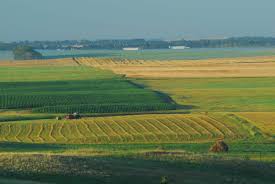
Under new strategic discussions led by the Australian Government, agriculture is being positioned alongside energy, telecommunications, and critical minerals in long-term security assessments. The focus is not only on food production itself but also on safeguarding supply chains for fertilizers, fuel, chemicals, machinery parts, and animal feed — inputs considered vital to maintaining farm output during geopolitical or trade disruptions.
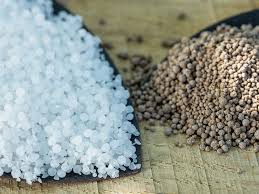
Recent global shocks, including pandemic-related logistics bottlenecks and international conflicts affecting fertilizer exports, exposed vulnerabilities in Australia’s heavy reliance on imported agricultural inputs. Fertilizer availability, in particular, has become a strategic concern, as Australia imports a significant share of its nitrogen, phosphate, and potash requirements. Any interruption could rapidly affect crop yields and livestock production.
Defense and agricultural policy analysts argue that supply chain resilience now forms a core component of economic security. Strategic measures under consideration include diversifying import sources, encouraging domestic fertilizer production, increasing onshore storage capacity, and building emergency reserves of essential farm inputs.
The move also aligns with broader national defense planning outlined in Australia’s updated strategic review frameworks. By incorporating food systems into national risk assessments, policymakers aim to ensure that domestic production remains stable during external shocks, trade disputes, or climate-related disruptions.
Industry bodies have welcomed the development, noting that modern agriculture depends heavily on globalized supply networks. Protecting those networks — or developing alternatives — is increasingly viewed as a matter of sovereignty rather than purely economic policy.
Experts emphasize that climate variability adds another layer of urgency. Extreme weather events can already disrupt production cycles; combining those risks with input shortages could amplify supply instability. Strengthening resilience across the entire agricultural value chain is therefore seen as essential to national preparedness.
By formally recognizing food security as part of its defense architecture, Australia signals a broader global trend: agriculture is no longer viewed solely as an economic sector, but as a strategic pillar underpinning national stability, trade strength, and long-term security.


 By
By