

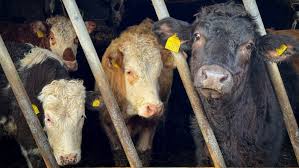
The beef sector in the United Kingdom is facing increasing stress as extreme weather events, escalating feed prices, and falling production levels challenge farm profitability and market stability. Industry leaders warn that the combined impact of climate volatility and economic pressures could reshape the future of British beef production.
Over the past few years, farmers across England, Scotland, Wales, and Northern Ireland have reported significant disruptions linked to unpredictable weather patterns. Prolonged rainfall has damaged pastureland, reduced grazing days, and complicated silage harvesting. In contrast, periods of drought and heatwaves have lowered grass growth and forage quality, forcing many producers to depend more heavily on purchased feed.
According to representatives of the National Farmers’ Union, higher input costs are squeezing already tight margins. Feed, fertilizer, fuel, and veterinary expenses have risen sharply, while farmgate beef prices have not always kept pace with inflation. Smaller and family-run operations are particularly vulnerable, as they have limited capacity to absorb sustained cost increases.
Climate data from the Met Office indicates that the UK has experienced some of its warmest years on record in the last decade, along with more frequent heavy rainfall events. These shifts are forcing farmers to adapt production systems, including improved drainage, alternative grazing strategies, and investments in more resilient livestock housing.
Reduced domestic output may also have wider market implications. While the UK is not among the world’s largest beef exporters, a decline in local production could increase reliance on imports. This shift could place additional pressure on international meat markets that are already facing climate-related challenges in other producing regions.
Experts emphasize that long-term sustainability will require coordinated policy support, investment in climate adaptation, and improved risk management tools. Without strategic intervention, the sector could experience consolidation, with larger enterprises better positioned to survive prolonged economic and environmental stress.
As climate uncertainty intensifies, the British beef industry stands at a critical juncture—balancing environmental realities with economic viability in a rapidly evolving global food system.


 By
By











