

Agriculture ministers from the European Union are reviewing new livestock policies and a comprehensive long-term protein strategy designed to strengthen food security, reduce dependence on imported feed, and promote sustainability across the agricultural sector. The discussions form part of the EU’s broader efforts to build a more resilient and environmentally sustainable food system while supporting the economic viability of farmers.
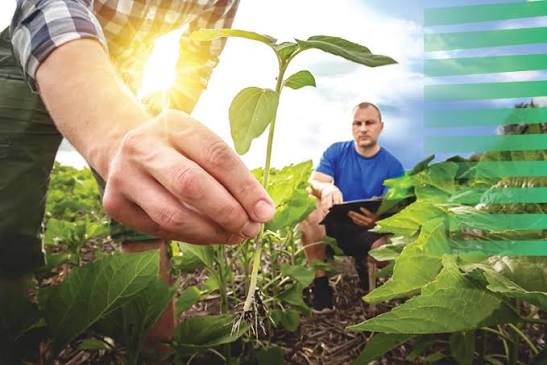
The proposed strategy focuses on ensuring a stable supply of protein for both human consumption and animal feed. European policymakers are exploring ways to increase domestic production of protein-rich crops such as soybeans, peas, faba beans, lupins, and other legumes. By expanding local protein production, the EU aims to reduce its reliance on imported feed ingredients, improve supply chain resilience, and enhance food security amid growing global uncertainties.
Livestock policy remains another key area of discussion. Ministers are considering measures to help livestock producers remain competitive while meeting increasingly ambitious environmental and climate objectives. The proposals include improving animal welfare standards, encouraging efficient resource use, reducing greenhouse gas emissions, and supporting investments in modern, climate-smart livestock production systems.
The review comes at a time when European agriculture is facing multiple challenges, including climate change, rising production costs, geopolitical instability, and evolving consumer preferences. Extreme weather events, fluctuating feed prices, and supply chain disruptions have highlighted the importance of strengthening domestic agricultural production and reducing vulnerabilities to external shocks.
Agriculture ministers are also examining how innovation and research can contribute to a more sustainable livestock sector. Technologies such as precision livestock farming, improved animal nutrition, digital monitoring systems, methane-reducing feed additives, and advanced breeding programmes are expected to play an increasingly important role in improving productivity while lowering environmental impacts.
The long-term protein strategy also encourages greater crop diversification within European farming systems. Increasing the cultivation of legumes and other protein crops can improve soil fertility through natural nitrogen fixation, reduce dependence on synthetic fertilizers, and contribute to healthier crop rotations. These practices can enhance farm resilience while supporting the EU’s environmental and biodiversity goals.
Farmer organizations have welcomed discussions on strengthening domestic protein production but have emphasized the need for practical policies that ensure economic sustainability. They argue that farmers require financial support, access to innovation, stable market conditions, and simplified regulations to successfully adopt new production systems and meet evolving sustainability requirements.
Environmental groups have urged policymakers to ensure that future livestock policies align with the European Union’s climate commitments. They advocate for stronger measures to reduce emissions from animal agriculture, improve manure management, protect biodiversity, and promote sustainable land use while maintaining food production.
The European Commission has stressed that achieving food security and environmental sustainability should be complementary objectives rather than competing priorities. Officials believe that investments in research, innovation, sustainable farming practices, and resilient supply chains can help create a livestock sector that is both economically competitive and environmentally responsible.
Experts note that global demand for protein is expected to continue rising in the coming decades, making long-term planning increasingly important. By strengthening domestic protein production and modernizing livestock systems, the European Union hopes to improve resilience against future market disruptions while supporting farmers in the transition to more sustainable agriculture.
The outcome of the ministers’ discussions is expected to influence future agricultural policies under the Common Agricultural Policy (CAP) and shape the EU’s approach to food production, climate action, and rural development in the years ahead. The proposed livestock and protein strategies are viewed as important steps toward ensuring Europe’s food systems remain secure, competitive, and sustainable in an increasingly uncertain global environment.


 By
By











