A new international study has confirmed that beef production is the single largest contributor to agriculture-related deforestation worldwide, accounting for nearly 40% of tree-cover loss linked to farming. The findings add fresh urgency to global debates on land-use change, livestock emissions, and the sustainability of modern food systems.
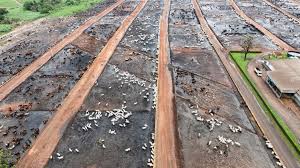
Researchers report that deforestation driven by cattle ranching is most pronounced in Brazil, where expansion of pastureland continues to push into forested regions, including parts of the Amazon and Cerrado. Despite policy efforts to curb illegal clearing, high global demand for beef and leather continues to incentivize land conversion at scale.
The study highlights that beef supply chains—spanning grazing land, feed production, and processing—carry disproportionate environmental impacts compared to other protein sources. These include biodiversity loss, increased greenhouse gas emissions, and degradation of ecosystem services essential for climate regulation.
Experts note that deforestation linked to beef production is not limited to South America. Parts of Africa and Southeast Asia are also experiencing rising pressure as cattle herds expand and land competition intensifies.
Environmental groups argue that greater transparency in supply chains, stricter enforcement of land-use regulations, and incentives for sustainable grazing systems are critical to reversing current trends. Some companies are exploring regenerative ranching practices and deforestation-free procurement, but adoption remains uneven.
The study’s authors warn that without immediate and coordinated global action, continued forest loss could undermine climate goals and further destabilize sensitive ecosystems. They emphasize that aligning livestock production with sustainable land management will be central to balancing food demand with environmental stewardship in the decade ahead.


 By
By