

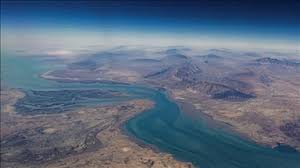
Global agriculture markets are once again under pressure as ongoing disruptions around the Strait of Hormuz continue to slow the movement of key fertilizer shipments. The strategic waterway—through which a significant share of the world’s nitrogen, phosphate, and potash supplies transit—has become a chokepoint, triggering supply delays and price volatility across continents.
Logistical challenges in the region have tightened global fertilizer availability at a time when farmers are preparing for crucial planting seasons in Asia, Africa, Europe, and the Americas. With reduced shipping activity and higher insurance and freight costs, import-dependent nations are facing steeper procurement expenses, directly impacting production budgets for millions of farmers.
Early market data indicates rising benchmark prices for urea, DAP, and potash, prompting growers to search for alternatives such as organic amendments, controlled-release formulations, or reducing application rates altogether. Agronomists warn that prolonged constraints could diminish crop yields, particularly for high-input staples like wheat, rice, corn, and sugarcane.
In emerging economies—where fertilizer accounts for a substantial share of cultivation costs—the ripple effects are especially pronounced. Some governments are exploring emergency supply agreements, while others are considering subsidy adjustments to shield farmers from the sudden cost escalation.
Analysts caution that if the disruptions persist into the next quarter, global food markets may feel the impact, potentially raising commodity prices and exacerbating food security risks in vulnerable regions.
As geopolitical tensions continue to affect the Strait of Hormuz, the agricultural sector faces heightened uncertainty—underscoring how tightly global food systems are linked to maritime stability and energy trade routes.


 By
By











