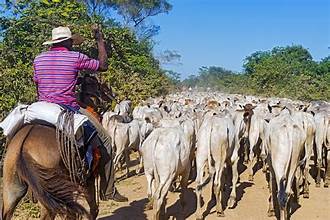
A new global assessment has revealed that beef production is the single largest driver of agriculture-related deforestation, accounting for roughly 40 percent of all forest loss linked to food systems. The findings underscore the significant environmental footprint of cattle ranching and highlight Brazil as the leading contributor to deforestation associated with agricultural expansion.
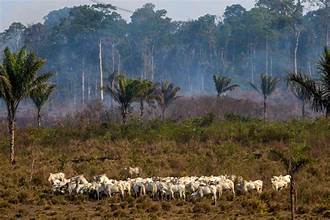
According to the study, land conversion for pasture — as well as the cultivation of feed crops used in beef production — remains a dominant force behind forest clearing in tropical regions. The Amazon and other South American biomes continue to experience rapid landscape change as ranching operations push deeper into ecologically sensitive areas.
Researchers note that the scale of deforestation tied to beef far surpasses that of other commodities, including soy, palm oil, and cocoa. While many global supply chains are increasingly monitored for sustainability, cattle production still faces major governance challenges due to complex land tenure issues, limited traceability, and persistent illegal clearing.
Brazil’s role is particularly prominent. The country is both the world’s largest beef exporter and home to vast forested areas that are under pressure from agricultural expansion. Despite recent policy efforts to curb illegal deforestation, monitoring gaps and weak enforcement continue to enable large-scale forest conversion in several key states.
Environmental experts warn that continued deforestation at current rates will undermine climate goals, disrupt biodiversity, and threaten the livelihoods of indigenous and rural communities. They call for stronger international commitments, improved land-use governance, and more transparent supply chains to address the environmental cost of beef production.
The study concludes that meaningful progress will require coordinated action from governments, industry, and consumers. Without significant reform, beef production will remain one of the most powerful forces reshaping global forests — with far-reaching implications for climate stability and ecosystem health.


 By
By