

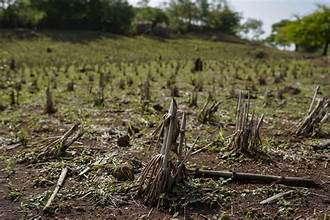
Global markets are preparing for another wave of disruption as climate analysts forecast a renewed El Niño event later this year—one that could significantly impact agricultural output, fuel food inflation, and slow economic growth in multiple regions. According to a new assessment by BMI, a unit of Fitch Solutions, the anticipated climate pattern poses substantial risks to food-producing nations, particularly those located in tropical and subtropical zones highly sensitive to temperature and rainfall anomalies.
El Niño, a cyclical warming of sea surface temperatures in the central and eastern Pacific Ocean, is known for triggering unpredictable and often severe weather shifts across continents. Historically, strong El Niño events have brought drought to Southeast Asia, Australia, India, and parts of Africa, while causing excess rainfall and flooding in South America. The resulting weather extremes often lead to crop failures, reduced yields, livestock stress, and disruptions in farm operations.
BMI’s analysis warns that the 2026 El Niño cycle may exacerbate pressures already visible in global commodity markets. Food prices have remained elevated due to lingering impacts from geopolitical tensions, shifting trade routes, and rising input costs. A new climate shock could further tighten supplies of rice, wheat, corn, sugar, coffee, vegetable oils, and key tropical commodities.
The report highlights that countries in the tropics and subtropics are expected to face the most immediate risks. These regions rely heavily on rain-fed agriculture and are particularly vulnerable to prolonged dry spells and heat stress. In Southeast Asia, fears are growing that El Niño-driven drought could undermine rice production—a critical staple for hundreds of millions of people. Meanwhile, agricultural exporters such as Brazil, Indonesia, and Thailand may see production volatility across crops including sugarcane, palm oil, and coffee.
India, another major global player in food markets, could also face challenges. Previous El Niño years have been associated with weakened monsoons, affecting kharif crop output and driving domestic food inflation. Any disruption to India’s agriculture sector would also have significant implications for global supplies of rice, sugar, and spices.
Economists warn that the consequences extend well beyond farms. Rising food prices tend to erode household purchasing power, particularly in emerging markets where food accounts for a large share of consumer expenditure. Countries already grappling with inflation may experience additional macroeconomic instability, complicating monetary policy decisions.
For advanced economies, the risks are somewhat muted but still notable. Global commodity inflation can filter into retail food prices, adding pressure to central banks aiming to keep inflation within target ranges. If food shocks coincide with rising energy costs or supply chain disruptions, the inflationary spillover could be more pronounced.
BMI analysts note that sustained climate-driven food inflation could shave growth rates for vulnerable economies, especially those heavily dependent on agriculture for employment and export earnings. Lower yields may also force countries to increase food imports, straining foreign exchange reserves.
Governments and international organizations are being urged to enhance preparedness through strategic grain reserves, early-warning systems, targeted subsidies, and climate-resilient crop planning. However, many developing nations lack the fiscal space to fully absorb the impacts of a severe climate event.
As global temperatures continue to rise, scientists warn that El Niño cycles may become more extreme and frequent. For 2026, the world now watches closely, hoping the anticipated event falls on the milder end of projections—but preparing for the possibility of a more disruptive year ahead for agriculture, food prices, and economic stability.


 By
By











