The Ministry of Agriculture in Bhutan has reported significant progress in enhancing the productivity and resilience of the country’s agriculture sector through targeted interventions in crop cultivation and livestock management.
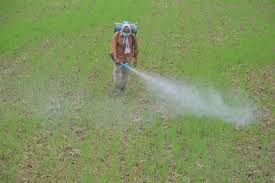
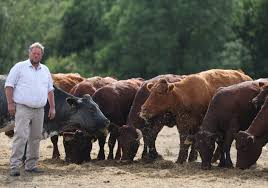
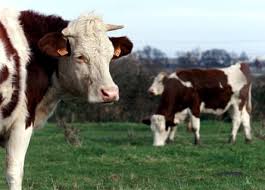
The government’s initiatives focus on modernizing farming practices, promoting climate-resilient crop varieties, and improving animal husbandry techniques. Training programs for farmers, along with the introduction of improved seeds, irrigation support, and veterinary services, are helping increase yields and strengthen food security.
Despite these gains, the sector continues to face challenges. Climate variability, including unseasonal rainfall and temperature fluctuations, is affecting crop cycles and livestock health. Limited access to quality inputs, such as fertilizers, feed, and modern machinery, remains a constraint for many farmers, particularly in remote areas.
Officials from the Ministry highlighted that ongoing policy support, coupled with farmer engagement, is central to building a resilient agricultural system. “By combining traditional knowledge with modern techniques, we are empowering farmers to adapt to changing climate conditions while increasing productivity,” said a senior Ministry representative.
The government is also emphasizing market linkages and value-chain development to ensure that increased production translates into higher incomes for rural communities. Support programs for organic farming, cooperative development, and small-scale processing are designed to enhance both economic and environmental sustainability.
Experts believe that Bhutan’s proactive approach in integrating resilience, technology, and capacity-building measures offers a model for small, climate-sensitive economies seeking to strengthen their agricultural sectors. With continued investments and adaptive strategies, Bhutan aims to secure long-term food security and sustainable livelihoods for its farming communities.


 By
By