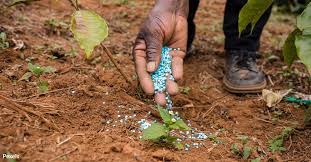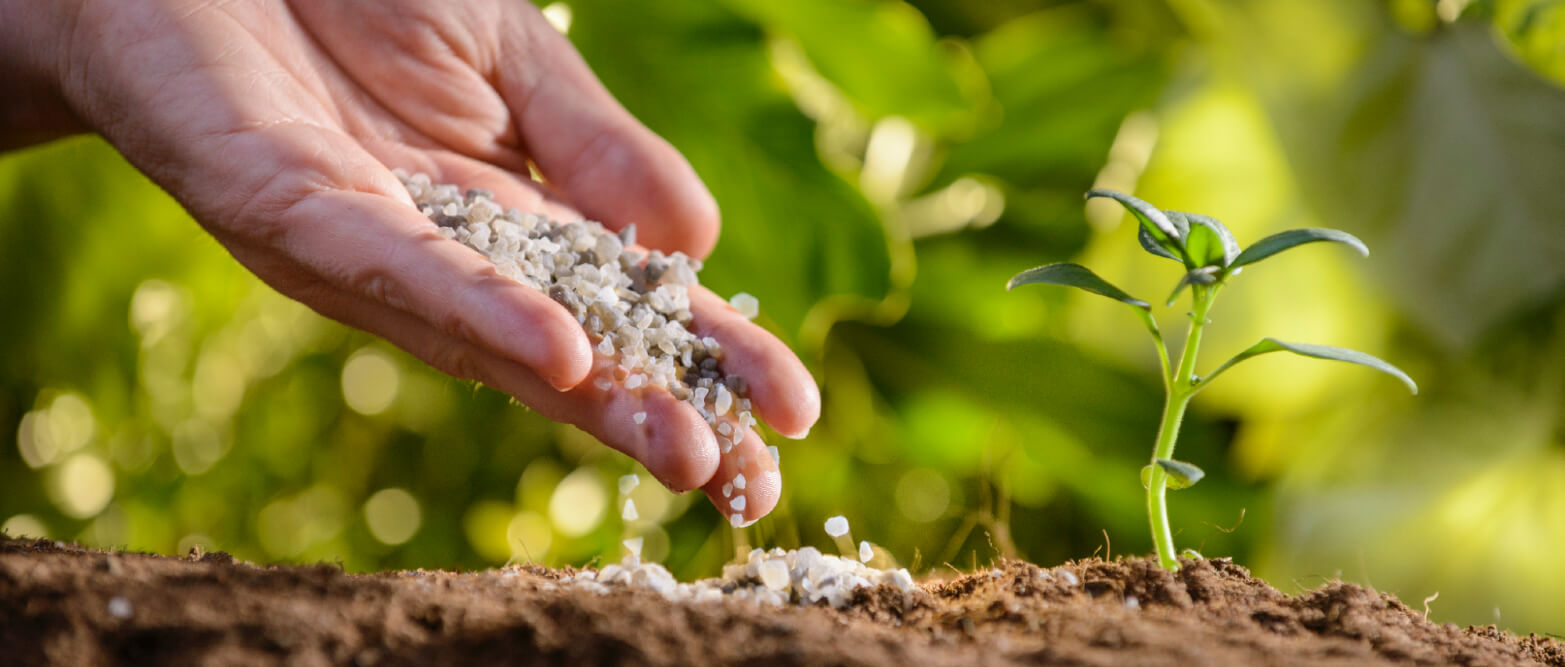
Innovations in biological fertilizers, particularly those based on nitrogen-fixing bacteria, are gaining global attention as an effective response to two of agriculture’s most pressing challenges: environmental pollution and food insecurity. As concerns grow over the excessive use of chemical fertilizers, biofertilizers are being increasingly adopted to support sustainable crop production while maintaining and even improving yields.
Chemical nitrogen fertilizers have played a major role in boosting food production over the past decades, but their widespread and often inefficient use has led to serious environmental consequences. Nutrient runoff pollutes rivers and groundwater, contributes to algal blooms, and increases greenhouse gas emissions, while long-term overuse degrades soil health. In contrast, biological fertilizers work by harnessing natural microbial processes to make nutrients available to plants in a more efficient and environmentally friendly manner.
Nitrogen-fixing biofertilizers contain beneficial bacteria that convert atmospheric nitrogen into forms plants can absorb. These microorganisms form symbiotic relationships with crops, particularly legumes, but new formulations are expanding their use to cereals, oilseeds, and vegetables. By improving nitrogen availability directly in the root zone, biofertilizers reduce the need for synthetic inputs and improve nutrient use efficiency.
Field trials across Asia, Africa, and Latin America have shown that integrating biofertilizers into farming systems can sustain or increase yields while lowering production costs. For smallholder farmers, especially in developing countries, this offers a practical pathway to higher productivity without heavy dependence on expensive chemical fertilizers. Improved soil structure and microbial diversity further enhance long-term fertility and resilience to climate stress.
Beyond farm-level benefits, biofertilizers contribute to broader environmental goals. Reduced chemical fertilizer use lowers greenhouse gas emissions associated with manufacturing and application, supports healthier ecosystems, and improves water quality. These advantages align closely with global efforts to promote climate-smart and regenerative agriculture.
Despite their promise, challenges remain. Effective use of biofertilizers depends on proper handling, storage, and application, as living organisms are sensitive to environmental conditions. Continued investment in research, farmer training, and quality regulation is essential to ensure consistent performance.
As innovation accelerates and awareness grows, biological fertilizers are increasingly seen as a vital tool in building sustainable food systems—helping farmers produce more food while protecting the environment for future generations.


 By
By