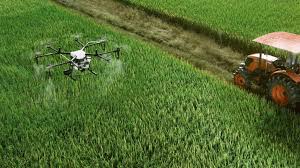
Brazil’s agricultural landscape is rapidly embracing digital innovation, with drones becoming a cornerstone of modern crop protection strategies. New data presented at Droneshow 2025 reveal that the country’s agricultural drone fleet has expanded eleven-fold in just four years, rising from slightly over 3,000 units in 2021 to around 35,000 in 2025. The growth highlights how unmanned aerial systems are moving from niche tools to mainstream agricultural assets.
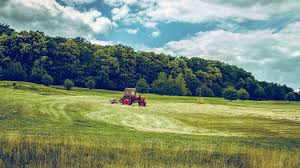
The sharp increase in adoption is largely driven by drones’ ability to operate where traditional ground sprayers face limitations. In uneven terrain or during advanced crop growth stages, drones provide reliable access without causing crop damage. Ground equipment can reduce yields by 2% to 5% through plant trampling in crops such as soybeans, corn, and wheat. By eliminating this loss, drones deliver an immediate productivity benefit.
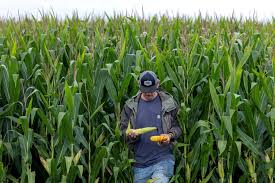
Drone technology has been particularly impactful for corn growers who do not own large self-propelled sprayers. During fungicide applications, when crop height makes ground access difficult, drones enable timely treatments during critical disease-control windows. This operational flexibility helps farmers protect yield potential while maintaining field efficiency.
Despite their advantages, effective drone applications depend on strict technical control. Low spray volumes, which are typical in drone operations, increase the risk of drift and tank-mix incompatibility. Key variables such as flight altitude, application swath, droplet size, and weather conditions must be carefully managed to ensure precision and safety.
Adjuvants have become essential components of successful drone spraying programs. These additives enhance pesticide performance by improving mixture stability, droplet uniformity, and adhesion to plant surfaces. In low-volume applications, adjuvants play a crucial role in reducing drift, extending droplet life, and minimizing off-target losses.
Experts emphasize that adjuvant selection should be guided by application goals rather than equipment type. Whether spraying by drone, aircraft, or ground equipment, the focus should be on achieving the desired spray characteristics, such as emulsification, dispersion, and anti-drift performance.
As adoption accelerates, agricultural technology providers continue to invest in research, field diagnostics, and technical support to ensure high application standards. With proper management and informed use, drones are set to remain a long-term, productivity-enhancing solution for Brazil’s evolving agricultural sector.

 By
By