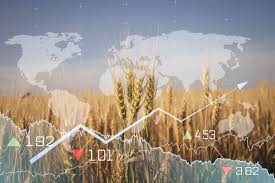
Brazil’s soybean output is projected to increase by 14.8% in the 2024/25 season, according to industry forecasts, reinforcing the country’s position as one of the world’s leading commodity producers. The expansion reflects favorable planting conditions, high global demand, and ongoing investments in modern farming practices.
The country’s soybean sector plays a crucial role in global food and feed supply, with Brazil consistently ranking among the top exporters. Analysts attribute the expected growth to larger cultivated areas, improved seed varieties, and the adoption of precision agriculture technologies that optimize planting and crop management.
However, the forecast comes with caveats. Disease pressures, particularly fungal infections, and unpredictable climate conditions such as delayed rains or heat stress could affect overall yields. Experts emphasize that proactive crop management and continued investment in integrated pest management and resilient seed varieties will be critical to achieving the projected increase.
“Brazilian farmers are expanding soybean cultivation while using innovative approaches to maintain yield quality,” said a local agriculture analyst. “The sector’s ability to balance production growth with risk mitigation will be key for sustaining its global competitiveness.”
The expected surge in production is likely to influence international soybean markets, supporting supply chains in countries that rely heavily on Brazilian exports for livestock feed, cooking oil, and industrial applications.
With global demand for soybeans rising due to population growth and the need for plant-based protein, Brazil’s production outlook underscores the country’s ongoing strategic role in global agriculture, while also highlighting the importance of resilient farming practices to cope with climate and disease challenges.


 By
By