China and Laos are seeing tangible results from their deepening cooperation in agricultural science and technology, with new advancements in 2025 aimed at improving farm productivity, sustainability, and knowledge sharing. The partnership reflects a broader regional effort to modernize agriculture while strengthening food security and rural development.
Through joint research programs, technology transfer initiatives, and training exchanges, the two countries have focused on improving crop varieties, farming techniques, and resource efficiency. Collaborative projects have introduced improved seeds, modern cultivation practices, and pest management solutions tailored to local conditions in Laos, where agriculture remains a key pillar of the economy.
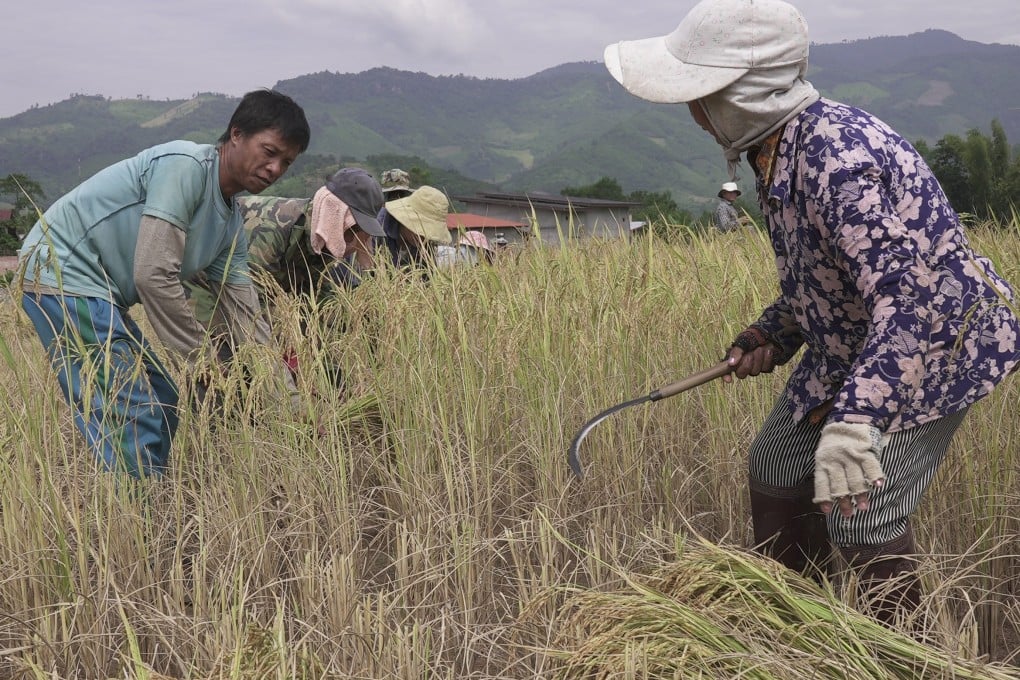
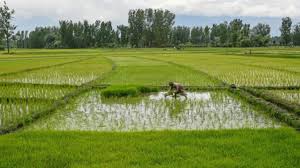
One of the most significant outcomes has been progress in rice production, a staple crop for both nations. Scientists from China and Laos have worked together to test high-yield and climate-resilient rice varieties, helping farmers increase output while reducing vulnerability to extreme weather. Demonstration farms and pilot projects have played a central role in translating scientific research into practical, on-the-ground results.
Beyond crop production, cooperation has expanded into areas such as soil improvement, agricultural mechanization, and digital farming tools. Chinese technical expertise has supported the introduction of modern equipment and data-driven farming methods, while Laotian institutions have contributed local knowledge and field experience. This exchange has strengthened institutional capacity and encouraged innovation at the grassroots level.
Training and education remain a cornerstone of the partnership. Laotian agricultural professionals and students have participated in technical workshops and study programs, gaining exposure to advanced research methods and farm management practices. These efforts are expected to deliver long-term benefits by building a skilled workforce capable of sustaining agricultural modernization.
Officials from both countries have emphasized that the cooperation is based on mutual benefit and shared development goals. As global challenges such as climate change and food supply pressures intensify, the China–Laos agricultural science partnership demonstrates how regional collaboration can drive practical solutions.
With continued investment and knowledge exchange, the partnership is expected to further enhance productivity, farmer incomes, and innovation, reinforcing agriculture as a foundation for sustainable economic growth in both countries.

 By
By