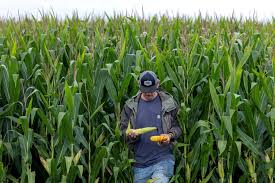
China has unveiled an ambitious strategy to significantly boost its grain production capacity, setting a target of approximately 725 million tonnes by 2030. The plan reflects the country’s growing focus on strengthening national food security while responding to increasing global uncertainties, climate challenges, and rising food demand.
Unlike traditional agricultural expansion models that rely on increasing cultivated land, China’s new strategy prioritizes improving productivity on existing farmland. Government policymakers and agricultural planners aim to achieve this through advanced technology adoption, improved seed varieties, and better soil management practices.
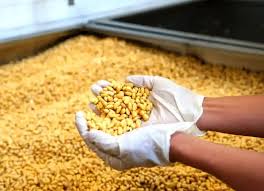
A key component of the initiative is the development and widespread use of high-yield and climate-resilient crop varieties. Chinese agricultural research institutions are investing heavily in breeding improved seeds capable of producing higher yields while tolerating extreme weather conditions such as drought, floods, and heat waves. These resilient seeds are expected to play a crucial role in stabilizing food production in the coming years.
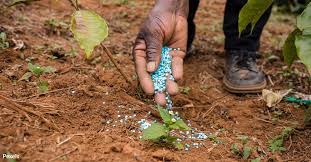
Another major focus area is soil protection and farmland quality improvement. Authorities plan to strengthen soil conservation programs, promote balanced fertilization, and implement modern land management practices to maintain long-term soil fertility. By improving soil health, China hopes to ensure sustainable productivity without putting additional pressure on limited agricultural land resources.
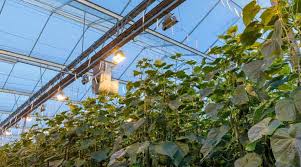
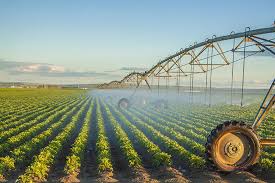
Technology will also play a central role in the country’s grain production expansion strategy. The government is encouraging the use of smart farming tools, digital agriculture platforms, precision irrigation systems, and mechanized farming techniques. These innovations can help farmers optimize water use, reduce input costs, and improve overall efficiency in crop production.
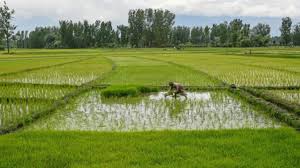
In addition, China is expected to continue investing in high-standard farmland development, including improved irrigation infrastructure, better drainage systems, and enhanced rural agricultural services. These measures are designed to strengthen resilience against climate-related risks and ensure stable grain output.
Experts believe the strategy reflects China’s long-term commitment to safeguarding its food supply while modernizing its agricultural sector. If successfully implemented, the initiative could significantly enhance domestic grain production capacity and reduce dependence on international markets.
With a strong emphasis on innovation, sustainability, and efficiency, China’s plan highlights how technology-driven agriculture is becoming a key pillar of global food security strategies.

 By
By