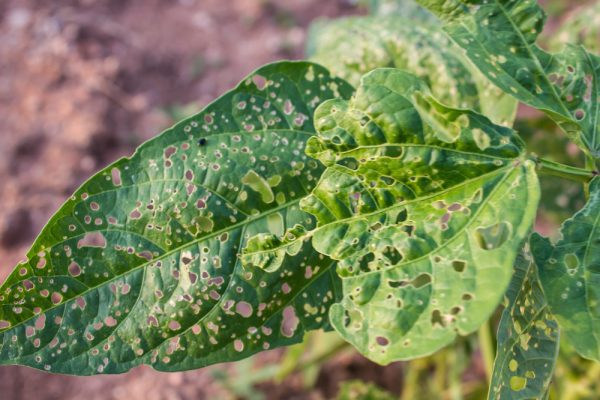
A new scientific report warns that climate change is exacerbating pest pressures on crops worldwide, posing a serious threat to global food production. Rising temperatures and shifting weather patterns are creating favorable conditions for insects, fungi, and other pests, increasing the risk of significant losses for staple crops such as wheat, rice, and maize.
According to the report, warmer climates accelerate pest life cycles, expand their geographical ranges, and increase reproduction rates. This combination means that regions previously less affected are now at higher risk of infestations, while existing hotspots may experience even more severe crop damage. Scientists estimate that if current trends continue, pest-related losses could rise sharply, putting additional pressure on already strained agricultural systems.
The economic impact of increased crop damage is expected to be substantial. Higher losses reduce yields and incomes for farmers, contribute to rising food prices, and threaten food security, particularly in regions heavily dependent on staple crops. Developing countries are likely to be most affected, as they often lack access to advanced pest management technologies and resources for resilient farming practices.
Experts emphasize the need for proactive measures to mitigate these risks. Strategies include developing climate-resilient crop varieties, adopting integrated pest management techniques, improving monitoring and early-warning systems, and promoting sustainable agricultural practices that reduce vulnerability to pest outbreaks.
The report highlights the broader link between climate change and agricultural vulnerability, noting that rising temperatures, extreme weather events, and shifting precipitation patterns compound the challenges farmers face. Without urgent action, pest-driven crop losses could undermine global efforts to ensure food security for a growing population.
Investing in resilient agricultural systems and adaptive pest management is increasingly seen as essential to safeguarding both productivity and livelihoods in the face of a changing climate.

 By
By