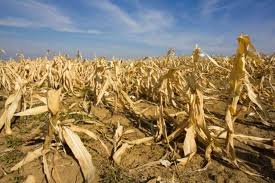
A recent scientific analysis has warned that climate change is significantly accelerating the spread and intensity of crop pests, posing a growing threat to global food security. Rising temperatures, shifting rainfall patterns, and milder winters are enabling many insect pests to expand their geographical ranges and increase the number of generations they produce each season. As a result, yield losses for major staple crops such as wheat, rice, and maize are expected to rise sharply in the coming years.
The analysis highlights that warmer climatic conditions allow pests to survive in regions that were previously unsuitable, exposing new farming areas to infestation risks. In parallel, heat stress can weaken crops, making them more vulnerable to insect damage and disease transmission. These combined effects are particularly concerning for staple crops that form the backbone of global food systems and are critical for food and income security in many developing regions.
Wheat, rice, and maize are among the most affected crops due to their wide cultivation across diverse agro-climatic zones. Pests such as aphids, stem borers, fall armyworm, and planthoppers are already demonstrating increased activity and adaptability under changing climate conditions. Without effective intervention, the study warns that cumulative pest-related losses could significantly undermine global efforts to meet rising food demand driven by population growth.
Researchers emphasize that traditional, chemical-centric pest control methods alone will be insufficient to address these emerging challenges. Instead, agricultural systems must adopt more diversified and resilient pest-management strategies. These include integrated pest management (IPM), crop diversification, resistant crop varieties, biological control agents, and improved monitoring and early-warning systems supported by climate and pest forecasting models.
The analysis also underscores the importance of strengthening farmer awareness and extension services to ensure timely adoption of adaptive practices. Investment in research, policy support for sustainable pest control, and international collaboration will be critical to building resilience across food systems.
As climate change continues to reshape pest dynamics, proactive adaptation in agriculture is no longer optional. Developing robust, climate-resilient pest-management approaches will be essential to safeguard crop yields, reduce food losses, and ensure long-term global food security in an increasingly unpredictable climate.

 By
By