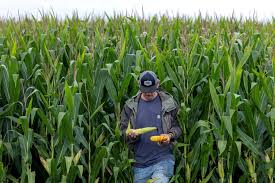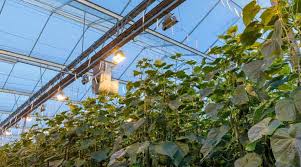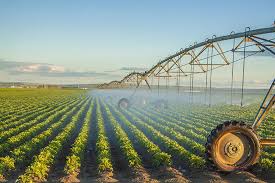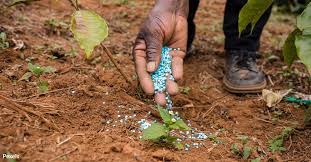
A new scientific analysis warns that climate change is significantly increasing the risk of crop pest infestations, posing serious challenges to global food security. The study highlights that warming temperatures and shifting pest distributions are projected to elevate losses in key staple crops, including wheat, rice, and maize.
Researchers note that rising temperatures are enabling many pests to expand their geographic ranges, reproduce more rapidly, and survive in regions previously unsuitable for their growth. This intensification of pest pressures threatens both yield and quality, particularly in regions heavily reliant on staple crops for food and economic stability.
The study emphasizes that traditional pest management approaches may no longer be sufficient under changing climatic conditions. Experts advocate for diversified farming systems, integrated pest management (IPM), and climate-resilient crop varieties as essential strategies to mitigate these risks. “Adaptation measures must combine scientific innovation with sustainable agricultural practices to protect crop productivity in the face of evolving pest dynamics,” said Dr. Elena Martins, an agricultural ecologist.
In addition to technological and management interventions, the report underscores the need for robust monitoring systems, early warning tools, and farmer training programs to enable timely response to emerging pest threats. Climate-driven pest outbreaks could have cascading impacts on food supply chains, farmer incomes, and national food security if proactive measures are not implemented.
The findings serve as a call to action for governments, research institutions, and agricultural stakeholders worldwide to prioritize climate-smart pest management and invest in strategies that safeguard staple crop production against the intensifying pressures of a warming planet.

 By
By