Climate change is rapidly transforming agricultural landscapes across southern Europe, and Sicily is emerging as one of the most visible examples of this shift. Traditionally known for its lemons, oranges, olives, and grapes, the Italian island is now witnessing a surprising transition: farmers are increasingly cultivating tropical fruits such as bananas, mangos, avocados, and papayas as rising temperatures alter long-established crop patterns.
For generations, Sicily’s Mediterranean climate supported citrus orchards that defined both its economy and cultural identity. However, farmers report that prolonged heatwaves, milder winters, irregular rainfall, and water stress are making traditional crops harder to sustain. Lemon trees, in particular, are proving sensitive to extreme heat and erratic weather, leading to lower yields and higher production risks.
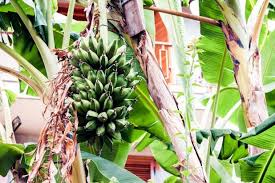
In contrast, tropical and subtropical fruits are adapting well to the new conditions. Bananas and mangos thrive in warmer temperatures and can tolerate climate patterns that now resemble those of parts of Africa, Latin America, and South Asia. As a result, experimental plots of tropical fruits are expanding into commercial operations, especially in coastal and southern parts of the island.
Agricultural experts note that this shift is not merely a trend but a strategic adaptation. Farmers are responding to climate realities while also tapping into growing market demand for exotic fruits within Europe. Locally grown bananas and mangos reduce dependence on imports, lower transportation costs, and offer higher profit margins compared to traditional crops struggling under climate stress.
However, the transition is not without challenges. Tropical fruit cultivation requires new technical knowledge, careful water management, and investment in infrastructure. There are also concerns about long-term sustainability, particularly regarding water use in regions already facing scarcity. Researchers and policymakers are therefore emphasizing the need for climate-smart farming practices, efficient irrigation systems, and crop diversification rather than complete replacement of traditional agriculture.
The changes unfolding in Sicily reflect a broader global pattern where climate change is reshaping what farmers grow and where they grow it. What was once considered unsuitable for Europe is becoming increasingly viable, signaling profound implications for food systems, rural livelihoods, and regional identities.
As Sicily adapts to its warming climate, its fields now

 By
By