India’s winter crop outlook for the 2025–26 season has received a positive signal as meteorological forecasts indicate cooler-than-normal conditions in January. Weather experts suggest that the anticipated cold spell could be beneficial for key rabi crops such as wheat, rapeseed–mustard, and chickpeas, supporting better crop development and potentially higher yields.
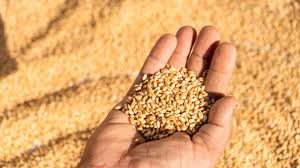
Cool and stable winter temperatures are considered ideal for wheat, particularly during the tillering and grain-filling stages. Lower temperatures help slow excessive vegetative growth, improve moisture retention in the soil, and reduce heat stress later in the season. Agronomists note that if the cold conditions persist without severe frost events, wheat crops across northern and central India could benefit from improved grain quality and yield stability.
Rapeseed–mustard is also expected to gain from the cooler weather. The crop performs well under mild cold conditions, which support flowering and pod formation while helping to suppress certain pests. Similarly, chickpeas, which are sensitive to both excess heat and moisture stress, tend to perform better in cooler, dry winter environments. Favorable temperatures during January can reduce disease pressure and enhance pod development.
In addition to supportive weather forecasts, preliminary data indicate that the overall area under winter crops this year is marginally higher than the previous season. Farmers in several states expanded rabi sowing, encouraged by adequate soil moisture following a relatively favorable monsoon and stable policy signals for key crops. The slight increase in acreage, combined with conducive weather, has strengthened expectations of a solid winter harvest.
However, agricultural experts caution that weather conditions in February and early March will remain critical, especially for wheat as it enters the grain-filling stage. Sudden heatwaves or unseasonal rainfall during this period could offset early gains. Effective irrigation management and timely advisory services will therefore remain important.
Overall, the outlook for India’s winter crops appears cautiously optimistic. If the predicted cooler conditions hold and weather remains largely stable through the remainder of the season, farmers could see improved productivity, supporting food grain availability and rural incomes in the months ahead.

 By
By