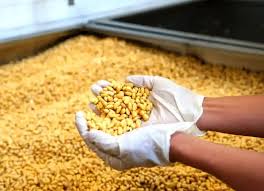
Several countries across Europe, Asia, and Latin America are strengthening strategic food reserves as growing geopolitical uncertainty and climate-related disruptions raise concerns over the stability of global food supplies. Nations including Sweden, Norway, India, China, Brazil, and Indonesia are actively rebuilding or expanding grain stockpiles to safeguard domestic food security and manage volatility in international agricultural markets.
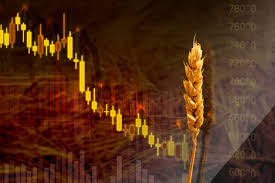
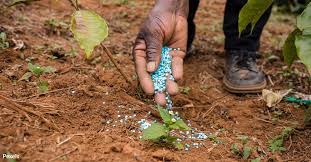
Rising climate risks have been a key driver behind this renewed focus on food stockpiling. More frequent droughts, floods, and extreme weather events are disrupting crop production and supply chains, increasing the likelihood of sudden shortages and price spikes. At the same time, geopolitical tensions, trade restrictions, and conflicts affecting major exporting regions have added further uncertainty to global grain flows.
In Europe, Sweden and Norway have revisited food preparedness policies that were scaled back in previous decades. Authorities are now emphasizing national resilience, including the maintenance of emergency grain reserves and stronger coordination with domestic producers and supply chains. The shift reflects growing recognition that global markets alone may not be sufficient to guarantee food availability during prolonged crises.
Major agricultural producers and consumers such as India and China are also reinforcing public grain reserves. In India, government-managed stocks play a central role in price stabilization and food welfare programs, while also serving as a buffer against production shocks caused by erratic monsoons and heat stress. China, which has long maintained large reserves, is focusing on ensuring adequate domestic supplies amid global market volatility and evolving trade dynamics.
In Latin America and Southeast Asia, Brazil and Indonesia are adopting similar strategies. Brazil, a leading exporter of key commodities, is strengthening storage and logistics systems to manage domestic availability while supporting its export commitments. Indonesia, which relies on imports for certain staples, is expanding reserves to reduce exposure to global price fluctuations and supply disruptions.
While strategic stockpiling is seen as a necessary risk management tool, analysts note that it must be balanced carefully to avoid unintended consequences. Large-scale stock accumulation can tighten global markets and contribute to higher international prices if not coordinated transparently. Experts therefore stress the importance of improved data sharing, responsible procurement, and continued investment in agricultural productivity to complement reserve-building efforts.
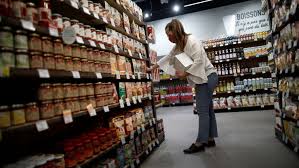
Overall, the renewed emphasis on strategic food stockpiling underscores a broader shift in national policy priorities. As climate change and geopolitical risks reshape the global food landscape, governments are increasingly viewing grain reserves as an essential component of economic stability, social protection, and national security.

 By
By