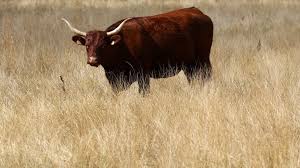
For the first time since its inception in 1964, the Paris International Agriculture Show will take place without cattle on display, marking a significant shift in one of Europe’s most iconic agricultural events. Organizers have taken the unprecedented decision due to rising concerns over the spread of lumpy skin disease, a highly contagious viral infection that affects cattle and can lead to serious economic losses for farmers.
The annual event, officially known as the Salon International de l’Agriculture, is scheduled to be held in the French capital with a renewed focus on animal health, biosecurity, and public safety. In previous editions, cows were central to the exhibition, symbolizing France’s strong dairy and livestock heritage. However, this year’s absence reflects the growing challenges faced by the global livestock sector in managing transboundary animal diseases.
Lumpy skin disease has raised alarms across several European regions, prompting veterinary authorities and event organizers to adopt preventive measures. By excluding cattle, the show aims to reduce the risk of disease transmission among animals and to prevent any disruption that could arise from health emergencies during the high-profile public event.
Despite the absence of cows, the Paris International Agriculture Show will continue to showcase a wide range of farm animals, including pigs, sheep, horses, goats, and poultry. These exhibits will be accompanied by enhanced veterinary monitoring and strict biosecurity protocols. Organizers have emphasized that the decision is precautionary and does not reflect a decline in the importance of the cattle sector.
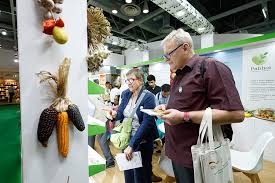
In addition to livestock displays, the event will highlight agricultural innovation, sustainable farming practices, regional food products, and rural entrepreneurship. Conferences, farmer interactions, and policy discussions will continue as planned, offering a comprehensive platform for dialogue between producers, consumers, and policymakers.
Organizers have expressed confidence that the revised format will maintain the show’s relevance and appeal while sending a strong message about the importance of disease prevention and responsible livestock management. The decision underscores how climate change, global trade, and animal health risks are reshaping traditional agricultural events worldwide.
As the Paris International Agriculture Show adapts to these new realities, it aims to balance tradition with caution—ensuring that agriculture’s flagship gathering remains safe, informative, and forward-looking for both farmers and the public.

 By
By