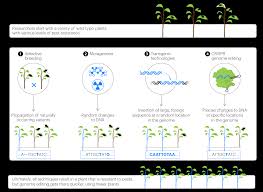
Advances in CRISPR and other gene-editing technologies are rapidly reshaping modern agriculture, opening new pathways to improve crop performance, livestock health, and the sustainability of food systems. Researchers and agri-biotechnology companies are increasingly using these precise tools to develop traits that enhance productivity while addressing environmental and climate-related challenges.
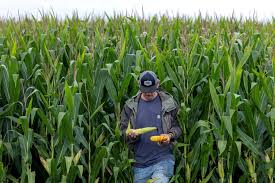
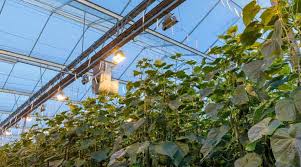
In crop science, CRISPR-based gene editing is enabling the development of varieties with improved resistance to pests and diseases, greater tolerance to drought, heat, and salinity, and enhanced nutrient-use efficiency. Unlike traditional breeding methods, which can take many years to deliver results, gene editing allows scientists to make targeted changes within a plant’s own genome, significantly reducing development timelines and improving accuracy.
Livestock genetics is also benefiting from these advances. Gene-editing technologies are being explored to improve disease resistance, animal welfare, and feed efficiency in cattle, poultry, and other farm animals. By reducing disease incidence and improving productivity, these innovations have the potential to lower greenhouse gas emissions per unit of output and support more efficient use of resources across livestock systems.
Supporters of CRISPR technology emphasize its role in advancing sustainable agriculture. Crops that require fewer chemical inputs, tolerate climate stress, or deliver higher yields on existing farmland can help reduce pressure on natural ecosystems and contribute to food security. In addition, gene-edited crops can be designed to improve nutritional quality, addressing specific dietary needs in different regions.
Regulatory frameworks are evolving alongside scientific progress. Several countries are moving toward science-based regulations that distinguish gene-edited products from traditional genetically modified organisms, particularly when no foreign DNA is introduced. This regulatory clarity is seen as essential for encouraging innovation, investment, and farmer adoption while maintaining safety and transparency.
Despite its promise, gene editing continues to raise important questions around governance, ethics, and public acceptance. Experts stress the importance of transparent communication, robust risk assessment, and inclusive dialogue with farmers, consumers, and other stakeholders to build trust and ensure responsible deployment.
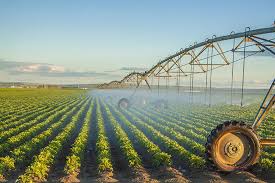
As CRISPR technologies continue to advance, their influence on agriculture is expected to grow. By combining gene editing with digital tools, precision farming, and improved agronomic practices, the agricultural sector is positioning itself to meet the dual challenge of increasing food production while reducing its environmental footprint in the decades ahead.


 By
By