A high-level workshop titled “Digital–Green Transition: Driving Agricultural Growth Amid Ongoing Constraints” has underscored the transformative potential of combining digital technologies with environmentally sustainable practices to accelerate agricultural development. The event brought together policymakers, agritech innovators, researchers, and private-sector leaders to discuss how emerging markets can harness tech-enabled solutions to overcome persistent sector bottlenecks.
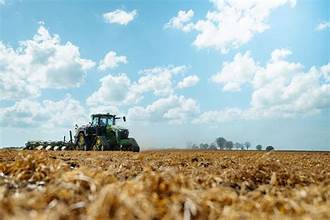
The workshop emphasised that global agriculture is at a turning point. With rising climate risks, increasing production costs, declining soil fertility, and volatile market conditions, traditional practices alone are proving insufficient for maintaining productivity growth. Participants argued that the integration of digital tools—such as data-driven advisory systems, remote sensing, precision farming, and supply-chain digitalisation—with green practices like regenerative agriculture, efficient water management, and low-emission technologies is becoming essential.
Speakers highlighted that digital adoption is expanding rapidly, particularly in Asia and Africa, but stressed that scalability and affordability remain central challenges. Mobile-based advisory platforms, farm management apps, and satellite-based crop monitoring systems are enabling farmers to make informed decisions on irrigation, nutrient management, pest control, and weather risks. However, smallholder farmers often lack reliable internet access, digital literacy, or capital to adopt these innovations fully.
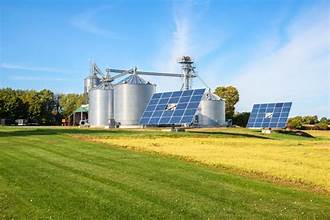
In parallel, the workshop drew attention to the rising importance of green agricultural models. These include conservation agriculture, low-carbon fertilisers, integrated pest management, diversified cropping systems, and renewable-energy-powered irrigation. Experts noted that climate-smart approaches not only help stabilise yields but also reduce emissions, restore soil health, and improve long-term resilience.
A recurring theme throughout the discussions was the need for synergy between digital and green strategies. Panelists argued that digital solutions offer real-time intelligence and automation, while green practices ensure ecological balance and long-term sustainability. Together, they can enhance productivity, reduce environmental degradation, and support more competitive agri-enterprises.
Stakeholders also addressed major structural constraints facing the agricultural sector in emerging markets. These include fragmented supply chains, limited access to credit, inadequate mechanisation, and inconsistent quality standards. Digital–green models were identified as critical mechanisms to simplify market linkages, strengthen traceability, reduce input misuse, and enable producers to meet evolving global market requirements.
The workshop further emphasised the role of public–private partnerships (PPPs) in scaling innovative solutions. Government officials highlighted ongoing initiatives to expand digital infrastructure, promote agri-startups, and incentivise sustainable practices through policy support, subsidies, and regulatory reforms. Private-sector leaders, meanwhile, showcased new tools in precision agriculture, carbon farming, agri-finance, and e-marketplace integration.
Another major focus was regional competitiveness. Participants observed that countries capable of adopting digital–green transitions swiftly will be better positioned to capture export opportunities, attract agri-investment, and create rural jobs. Emerging markets, particularly in South and Southeast Asia, Sub-Saharan Africa, and Latin America, stand to benefit significantly from early adoption.
The workshop concluded with a call for greater collaboration among governments, tech companies, financial institutions, and farmer organisations. Experts stressed that achieving sustainable agricultural growth requires integrated frameworks that align digital innovation, ecological stewardship, and grassroots capacity-building.
As global agriculture navigates a period of unprecedented uncertainty, the digital–green transition is increasingly viewed as a strategic pathway for resilience, competitiveness, and inclusive growth. Events like this workshop are helping shape the roadmap for countries seeking to modernise their agricultural systems while protecting the environment and ensuring long-term food security.

 By
By