The European Union is poised to approve its largest-ever free trade agreement with the South American Mercosur bloc—comprising Argentina, Brazil, Paraguay, and Uruguay—marking a pivotal moment for global agricultural trade. Once ratified, the agreement is expected to significantly liberalize trade flows between the two regions, with far-reaching implications for farmers, agri-businesses, and food markets on both sides of the Atlantic.
At the core of the deal is enhanced market access for Mercosur’s competitive agricultural exports, particularly beef, sugar, poultry, ethanol, and grains. South American producers, known for large-scale, cost-efficient farming systems, are likely to gain expanded tariff-free or reduced-tariff quotas into the EU market. This could increase the availability of competitively priced animal protein and raw agricultural commodities within Europe, potentially easing inflationary pressures in food supply chains.
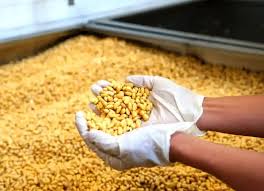
For Mercosur countries, the agreement represents a major opportunity to diversify export destinations and reduce reliance on Asian markets. Brazil and Argentina, in particular, stand to benefit from improved access for beef, soy-based products, maize, and sugar, strengthening farm incomes and agri-export revenues. Uruguay and Paraguay are also expected to gain from improved beef and oilseed exports.
However, the deal has generated substantial debate within the EU, especially among farming communities. European beef, sugar, and cereal producers have expressed concerns over heightened competition from Mercosur imports, arguing that differences in production costs, land availability, and regulatory standards could put EU farmers at a disadvantage. Environmental and sustainability groups have also raised questions related to deforestation, pesticide use, and climate commitments in Mercosur countries.
In response, EU negotiators have emphasized that the agreement includes safeguard mechanisms, tariff-rate quotas, and enforceable sustainability chapters. These provisions aim to ensure compliance with environmental standards, food safety regulations, and the EU’s broader Green Deal objectives. Sensitive agricultural sectors are expected to receive phased liberalization and protective measures to mitigate market disruption.
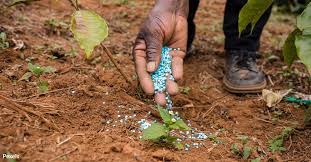
Beyond agriculture, the agreement will open Mercosur markets to European exports of machinery, fertilizers, agrochemicals, dairy products, and value-added food items, creating new opportunities for EU agri-food companies and input suppliers.
If approved, the EU–Mercosur trade deal will reshape agricultural trade dynamics between Europe and South America, reinforcing intercontinental supply chains while intensifying the policy debate on farm competitiveness, sustainability, and food security in a rapidly evolving global market.

 By
By