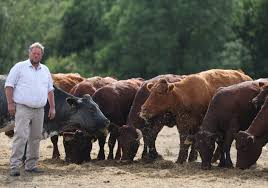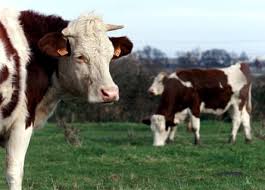
A recent report has highlighted a significant imbalance in the European Union’s Common Agricultural Policy (CAP), showing that beef and lamb farmers receive subsidies hundreds of times higher than producers of legumes, while dairy farming enjoys far greater support compared to nuts and seeds.
The study points out that this skewed allocation not only perpetuates traditional livestock-centric farming but also raises environmental and public health concerns. Livestock production is associated with higher greenhouse gas emissions, land use, and water consumption, whereas plant-based crops like legumes, nuts, and seeds offer climate-friendly nutrition and sustainable farming options.
Experts and environmental groups are urging the EU to recalibrate its subsidy framework to incentivize crop diversification and more sustainable agricultural practices. Aligning CAP support with climate and health objectives, they argue, could reduce emissions, promote soil health, and encourage farmers to adopt plant-based and regenerative farming systems.
The report also emphasizes that current CAP incentives may inadvertently hinder the EU’s broader climate targets by favoring high-emission livestock sectors, creating an urgent need for policy reforms that reward sustainability alongside productivity.


 By
By