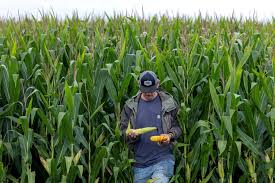
The European Union has introduced a major reform blueprint for its farming sector, proposing measures to streamline regulations and redistribute portions of its €50 billion Common Agricultural Policy (CAP) subsidies. The initiative is designed to ease administrative burdens on farmers and channel more financial support toward small-scale producers and young entrants who often struggle with high costs, limited land access, and bureaucratic hurdles.
Under the proposal, the EU plans to simplify compliance requirements, reduce paperwork, and make subsidy applications more transparent and accessible. Officials argue that lightening the regulatory load will give farmers more time and resources to focus on productivity, innovation, and long-term resilience.
A key component of the reform is the targeted redistribution of subsidies. Policymakers intend to increase funding earmarked for younger farmers, hoping to address the aging demographic in Europe’s agricultural workforce. Additional support for small and medium-sized farms is expected to help stabilize rural economies and preserve the EU’s diverse farming landscape.
However, the blueprint has sparked debate among environmental groups. Critics caution that simplification measures could dilute existing environmental safeguards, potentially weakening progress on biodiversity protection, soil conservation, and climate mitigation. They warn that without strong ecological conditions attached to payments, the reforms risk undermining the EU’s long-term sustainability goals.
EU officials maintain that environmental commitments remain central to the CAP and stress that the reforms aim to balance farmer needs with climate priorities. Further negotiations are expected in the coming months as member states, farming unions, and environmental organizations weigh in on the proposal.
If adopted, the reform package could become one of the most significant updates to EU agricultural policy in years—shaping the future of food production, rural development, and environmental stewardship across the bloc.


 By
By