A new joint report by the Food and Agriculture Organization (FAO) and the World Meteorological Organization (WMO) has raised alarms over the increasing risk of extreme heat events to global agrifood systems.
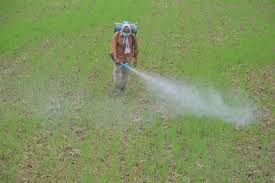
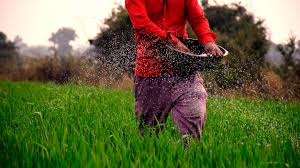
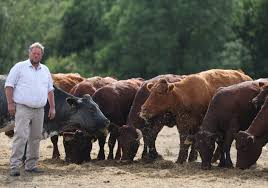
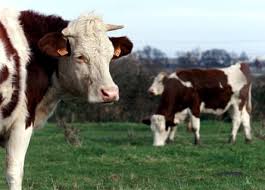
The report highlights that rising temperatures and frequent heatwaves are severely affecting crop yields, livestock health, and fisheries worldwide. Prolonged heat stresses plants, reduces productivity, and increases water demand, while livestock face heat-related health challenges that can lower meat, milk, and egg production. Aquatic systems are also at risk, as higher water temperatures disrupt fish growth and reproductive cycles.
FAO and WMO emphasize that vulnerable regions, particularly in tropical and subtropical zones, are likely to experience the greatest impacts, threatening food security and livelihoods for millions of farmers and fishers. The report calls for urgent adaptation measures, including heat-resilient crop varieties, improved irrigation, livestock cooling strategies, and integrated climate monitoring to help communities respond effectively.
Experts warn that without immediate action, extreme heat events could exacerbate global food supply risks, increase price volatility, and hinder progress toward sustainable development goals. The organizations urge governments, industry, and farming communities to adopt proactive strategies to safeguard agrifood systems against the growing threat of climate extremes.


 By
By