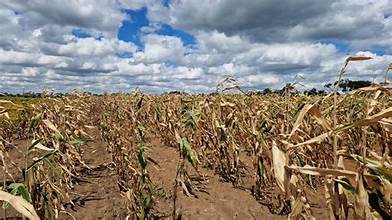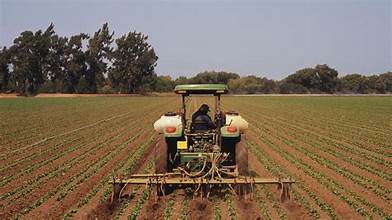
Global agricultural communities are facing mounting anxiety as fertiliser shortages intensify, driven by disruptions linked to the ongoing conflict involving Iran and the effective blockade of the Strait of Hormuz — a pivotal shipping route for energy and agricultural inputs. The crisis has sent prices soaring and raised serious food security concerns across South Asia and beyond.
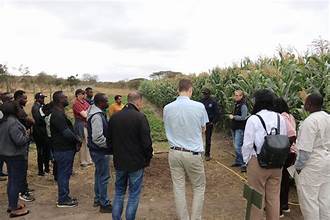
Farmers in several countries are already feeling the impact as supplies of crucial fertiliser nutrients — especially nitrogen and phosphate compounds — become sporadic or unavailable ahead of key planting seasons. Many smallholders, particularly in South Asia, are grappling with rising input costs and shrinking inventories at a time when timely fertiliser application is essential for healthy crop yields.
The disruptions stem from interruptions to maritime traffic through the Strait of Hormuz, a narrow but strategic chokepoint on which roughly 30–35 % of global urea exports and a significant share of ammonia shipments depend. Ongoing tensions have impeded deliveries of both fertilisers and the natural gas feedstocks needed to produce them, causing global trade volumes to contract and sending prices upward.
The International Food Policy Institute and analysts tracking supply chains warn that continued shortages and cost spikes could reduce fertiliser usage, depress crop yields, and ultimately drive up food prices in both import-dependent and food-exporting nations. In India, for example, agricultural groups report scare supplies just as sowing seasons approach, heightening anxiety over lower outputs and farmer livelihoods.
Governments and industry actors are scrambling to respond. Some countries are exploring alternative supply lines, boosting domestic production where possible, and offering subsidies to protect farmers from volatile market prices. In India, authorities recently increased fertiliser subsidies to buffer the impact of global cost rises triggered by the broader Middle East conflict.
However, experts caution that even with temporary relief measures, the disrupted supply chain underscores deeper vulnerabilities in global agricultural systems. If the situation persists, the ramifications could extend beyond farmgate economics — influencing food inflation, trade balances, and food security for millions dependent on fertilisers to sustain crop productivity.


 By
By