Growing geopolitical tensions in the Middle East are creating uncertainty in the global fertilizer market, raising concerns about possible disruptions in supply chains and rising costs for farmers around the world. Industry analysts warn that instability in the region could impact the production and trade of key fertilizers such as urea and ammonia, both of which play a vital role in global agricultural production.
One of the main risks comes from potential disruptions in natural gas supplies. Natural gas is a critical raw material used in the production of nitrogen-based fertilizers, particularly urea and ammonia. Any shortages or sharp price increases in natural gas could directly affect fertilizer manufacturing capacity, leading to reduced output and higher prices in international markets.
Several fertilizer-producing countries rely heavily on energy resources and trade routes connected to the Middle East. If geopolitical tensions escalate, shipping disruptions, trade restrictions, or sanctions could affect the smooth movement of fertilizer products across global markets. This could create supply shortages in regions that depend on imports for their agricultural needs.
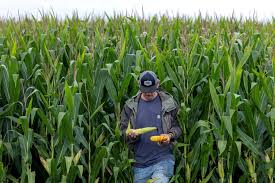
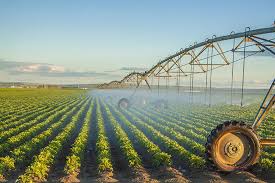
Higher fertilizer prices would have a direct impact on farming costs worldwide. Farmers in many countries already face rising expenses for fuel, seeds, and labor. An increase in fertilizer prices could further raise the cost of crop production, potentially affecting planting decisions and overall agricultural productivity.
Experts also warn that developing countries could be the most affected, as many of them rely heavily on imported fertilizers. Supply shortages or price spikes may force farmers to reduce fertilizer usage, which could ultimately lower crop yields and threaten food security in vulnerable regions.
The global fertilizer market has already experienced volatility in recent years due to factors such as energy price fluctuations, supply chain disruptions, and regional conflicts. Any new instability in the Middle East could intensify these pressures and create further uncertainty for the agricultural sector.
Agricultural economists say governments and industry stakeholders may need to closely monitor the situation and explore strategies to diversify supply sources, improve domestic production, and strengthen fertilizer supply chains. Ensuring stable fertilizer availability will be essential for maintaining global food production and protecting farmers from sudden cost shocks.


 By
By