Global agri-business markets are undergoing significant transformation as consolidation accelerates across biological crop solutions, new insecticide technologies reach commercial pipelines, and broader structural changes reshape the crop protection and plant nutrition sectors. Industry analysts report that these shifts reflect both market pressures and heightened demand for sustainable, high-performance agricultural inputs.
One of the most prominent trends is the intensifying consolidation within the biologicals segment, where mergers, acquisitions and strategic partnerships are becoming increasingly common. As growers and regulators push for reduced chemical residues and more environmentally aligned farming practices, biological products—such as microbial inoculants, biostimulants and biopesticides—are gaining market share. Large multinational input companies are expanding their biological portfolios by acquiring specialist startups, forming joint development agreements and integrating advanced biotechnology platforms into existing R&D structures.
This consolidation aims to accelerate product innovation while improving regulatory capacity and global distribution networks. With biologicals projected to grow at double-digit annual rates, major firms are positioning themselves to dominate what many analysts consider the most dynamic frontier of crop inputs. However, the pace of consolidation has raised concerns about competition, pricing power and access for smaller innovators.
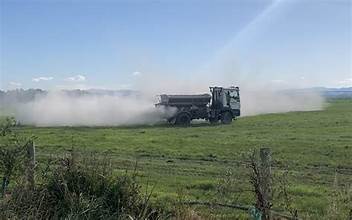
In parallel, new soil insecticide formulations are entering the market, targeting persistent pest challenges that threaten cereal, oilseed and horticultural crops. These next-generation soil insecticides are designed with improved environmental profiles, reduced application rates and enhanced efficacy against pests such as rootworms, wireworms and cutworms. Companies launching these products are focusing on resistance management, as long-term pest pressure and repeated chemical exposure have increased resistance risks in several major agricultural regions.
These new insecticide technologies are also aligned with integrated pest management (IPM) principles, enabling growers to combine chemical, biological and cultural controls for more sustainable outcomes. Adoption is expected to be strong in markets where pest pressure is severe and where stringent regulations have phased out older chemistries.
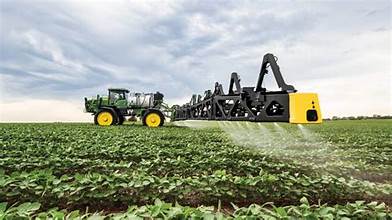
Beyond biologicals and insecticides, the broader crop protection and plant nutrition sectors are experiencing substantial shifts driven by evolving regulatory frameworks, climate-related challenges and digitalisation across the input supply chain. Many companies are rebalancing their product portfolios to reduce reliance on legacy chemistries facing regulatory scrutiny in Europe and other high-compliance regions. Investments are increasing in low-toxicity formulations, nutrient-efficiency products and carbon-focused plant nutrition solutions that support regenerative agriculture goals.
Digital agriculture is amplifying these transitions. Input firms are integrating geospatial analytics, digital scouting tools and prescriptive agronomy services to provide bundled solutions rather than standalone crop protection products. This ecosystem approach is changing commercial strategy, moving agri-businesses from simple product suppliers to data-driven agronomic partners.
Meanwhile, global supply chains continue to influence market dynamics. Variability in raw material prices, shipping delays and energy cost fluctuations have affected manufacturing and distribution across all major input categories. Companies are responding with multi-regional production footprints, inventory diversification and strategic supplier agreements to mitigate risk.
For farmers, these industry-wide shifts present both opportunities and challenges. Access to more advanced biologicals, improved insecticides and integrated nutrition solutions can support higher productivity and sustainability. However, market consolidation and new regulatory requirements may influence pricing, availability and product choice, particularly in emerging markets where input access is already constrained.
As agri-business markets continue to evolve, stakeholders expect further integration across input categories and accelerated innovation driven by climate needs, regulatory pressures and growing demand for sustainable, high-performance farming systems. The next decade is likely to redefine how global agriculture sources, deploys and manages crop inputs—reshaping the competitive landscape of the industry.

 By
By