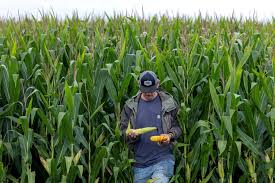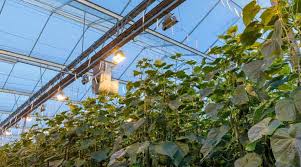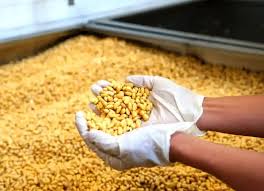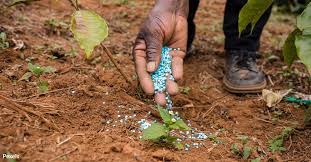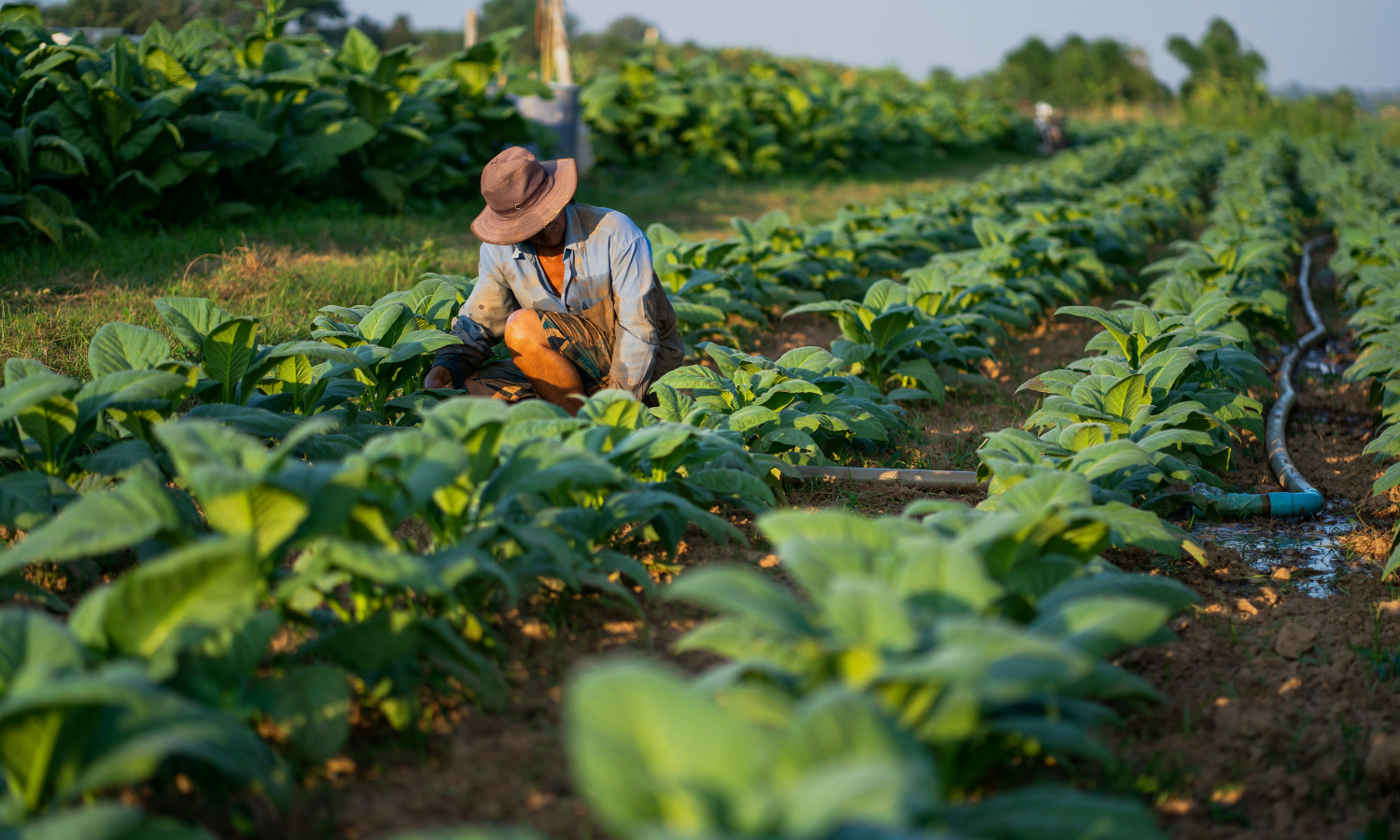
Global efforts to protect agricultural biodiversity are facing increasing strain as funding shortfalls threaten conservation targets, according to a recent international roundup of policy and research developments. Experts warn that insufficient financial commitments could undermine long-term sustainability goals at a time when farming systems are under growing pressure from climate change, land degradation, and food security demands.
Biodiversity conservation in agricultural landscapes relies heavily on sustained public and private investment. However, recent assessments indicate that current funding levels fall well short of what is required to halt species loss and restore degraded ecosystems. Conservation groups caution that without scaled-up financing, commitments made under international biodiversity frameworks may remain largely aspirational.
At the same time, discussions around the safety and regulation of glyphosate continue to divide policymakers, scientists, and farm organizations worldwide. While many farmers view the herbicide as a critical tool for weed management and conservation tillage, environmental groups have raised concerns over its long-term ecological and health impacts. Regulatory authorities in several regions are reviewing updated scientific evidence to determine whether existing approvals and usage conditions remain appropriate. The outcome of these debates is expected to shape future crop management practices and input costs.
In the United States, new funding initiatives are signaling a shift toward regenerative agriculture as part of broader climate and conservation strategies. Federal programs are expanding support for practices such as cover cropping, reduced tillage, crop diversification, and improved soil health management. Policymakers argue that regenerative approaches can enhance farm resilience, reduce greenhouse gas emissions, and contribute to biodiversity restoration while maintaining productivity.
U.S. agriculture officials have emphasized that these funding measures are designed to complement, rather than replace, conventional farming systems. By incentivizing voluntary adoption, the programs aim to encourage innovation and long-term environmental stewardship without imposing rigid mandates on producers.
Despite these positive developments, analysts note a widening gap between ambition and implementation at the global level. Developing countries, in particular, face constraints in accessing finance and technical support for biodiversity-friendly agriculture. Bridging this gap will require coordinated international action, improved financing mechanisms, and stronger alignment between agricultural productivity and environmental objectives.
As governments and institutions reassess priorities, the challenge remains to secure adequate funding while balancing farmer livelihoods, food production needs, and biodiversity conservation in an increasingly complex global agricultural landscape.

 By
By