Recent industry reports reveal significant movements in global agricultural markets, reflecting changes in horticulture production, weather patterns, and leadership dynamics within agribusinesses. These insights are critical for farmers, traders, and policymakers seeking to navigate an increasingly complex food production landscape.
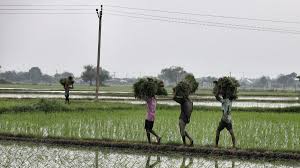
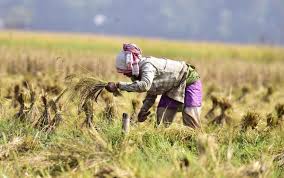
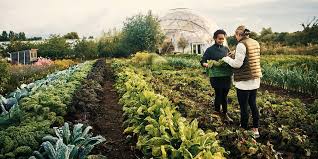
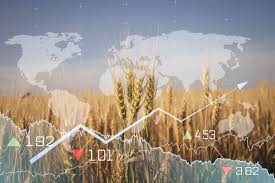
Horticultural crops, including fruits, vegetables, and specialty produce, have shown variable production trends across regions. Favorable weather conditions in some areas have supported higher yields, while extreme events such as droughts, floods, and unseasonal rainfall have impacted production in key markets. These fluctuations are influencing supply levels and commodity pricing, with downstream effects on global trade and market stability.
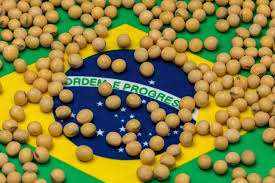
In addition to climatic factors, strategic changes within major agribusinesses are reshaping the market. Leadership transitions, mergers, and investment in technology-driven agriculture are contributing to shifts in production efficiency, supply chain management, and market influence. Industry analysts note that such changes can alter trading dynamics and impact pricing structures across staple and high-value crops.
“Understanding the interplay between production trends, weather impacts, and corporate strategy is essential for anyone involved in agricultural markets,” said an agricultural economist. “Timely data allows producers to adjust planting decisions, traders to hedge risk, and policymakers to ensure food security and price stability.”
The report underscores the growing importance of data analytics, digital agriculture, and market intelligence in decision-making processes. As global demand for food and horticultural products continues to rise, stakeholders must remain vigilant to shifts in production patterns, commodity flows, and market leadership to navigate uncertainty and maximize efficiency.
With global agriculture facing both climatic and economic challenges, these insights provide a roadmap for resilience and informed decision-making across the food system.


 By
By