The latest international agricultural assessments indicate a cautiously balanced outlook for global food markets. While cereal production and stock levels remain robust in several major producing regions, volatility in input prices and growing concerns over export competitiveness continue to cloud the broader picture.
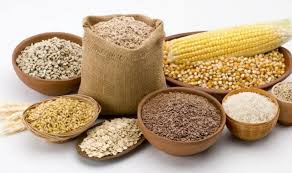
According to recent projections from the Food and Agriculture Organization, global cereal output has benefited from favorable growing conditions in key grain-producing countries. Wheat, maize, and rice production volumes are expected to remain stable or slightly higher compared to previous seasons, contributing to relatively comfortable global stock levels.
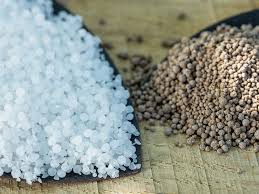
However, analysts warn that production gains alone do not guarantee market stability. Fertilizer, fuel, and transport costs remain unpredictable in many parts of the world. Fluctuations in energy markets have a direct impact on fertilizer manufacturing, while shipping disruptions and geopolitical tensions continue to influence trade flows.
The International Grains Council has noted that although global inventories appear adequate, stock distribution remains uneven. Some importing nations remain vulnerable to supply shocks due to limited domestic reserves and high dependency on external suppliers. This imbalance could amplify price sensitivity if unexpected weather events affect major exporters.
Export competitiveness is another emerging concern. Currency fluctuations, trade policy adjustments, and logistical constraints are influencing market access for agricultural exporters. Countries with higher production costs or weaker currencies may find it harder to compete in price-sensitive international markets, particularly in cereals and oilseeds.
Climate variability also remains a structural risk. While recent harvests have been strong in certain regions, extreme weather patterns—including droughts and floods—continue to threaten long-term yield stability. Agricultural economists emphasize that sustained investment in climate-resilient farming practices will be critical to maintaining production momentum.
In summary, the global agriculture outlook presents a dual narrative: solid cereal production and stable aggregate stocks provide short-term reassurance, but ongoing input cost volatility and trade competitiveness pressures suggest that market stability remains fragile. Policymakers and producers alike are closely monitoring these dynamics as they navigate an increasingly interconnected and uncertain global food system.


 By
By