The global agriculture sector is expected to move toward greater stability in 2026, according to market analysts and agricultural economists. While overall conditions are projected to improve compared with recent years of volatility, supply and demand dynamics are likely to vary significantly across different crops.
Experts note that global agricultural markets have experienced considerable fluctuations in recent years due to factors such as climate change, supply chain disruptions, and geopolitical tensions. However, improved production forecasts and more balanced trade flows are expected to bring a degree of stability to the sector in the coming year.
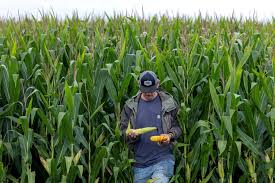
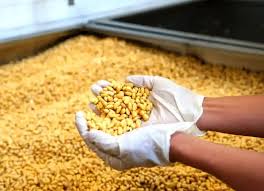
Despite the general outlook of stabilisation, certain commodities may continue to face tighter supply conditions. Crops such as corn and soybeans are expected to remain under pressure due to strong global demand from the livestock feed, food processing, and biofuel industries. Rising consumption in major importing regions could keep inventories relatively tight and maintain some price volatility in these markets.
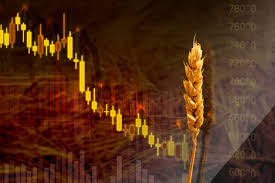
In contrast, the outlook for wheat and sugar appears more comfortable, with global supplies expected to remain relatively abundant. Higher production levels in several key exporting countries and stable stock levels could help ensure sufficient availability in international markets.
Market analysts also point out that regional differences in weather conditions will continue to play an important role in shaping agricultural output. Climate variability, including droughts, floods, and heat waves, remains one of the biggest uncertainties affecting crop production worldwide.
International organizations such as the Food and Agriculture Organization continue to monitor global supply trends, trade patterns, and food price movements to assess the health of agricultural markets. Their assessments indicate that while risks remain, improved harvests in several regions could support market stability.
Agricultural economists emphasize that maintaining this stability will depend on consistent production, efficient supply chains, and stable trade policies. Governments and industry stakeholders are expected to focus on strengthening agricultural resilience, investing in modern farming technologies, and improving global food systems to meet rising demand.
Overall, while some crop markets may remain tight, experts believe the global agriculture sector is entering a phase of relative balance in 2026, providing cautious optimism for farmers, traders, and policymakers worldwide.

 By
By