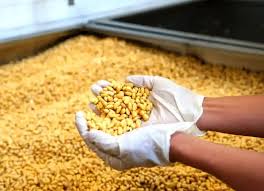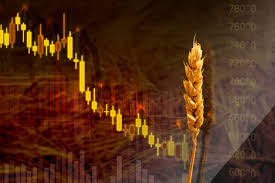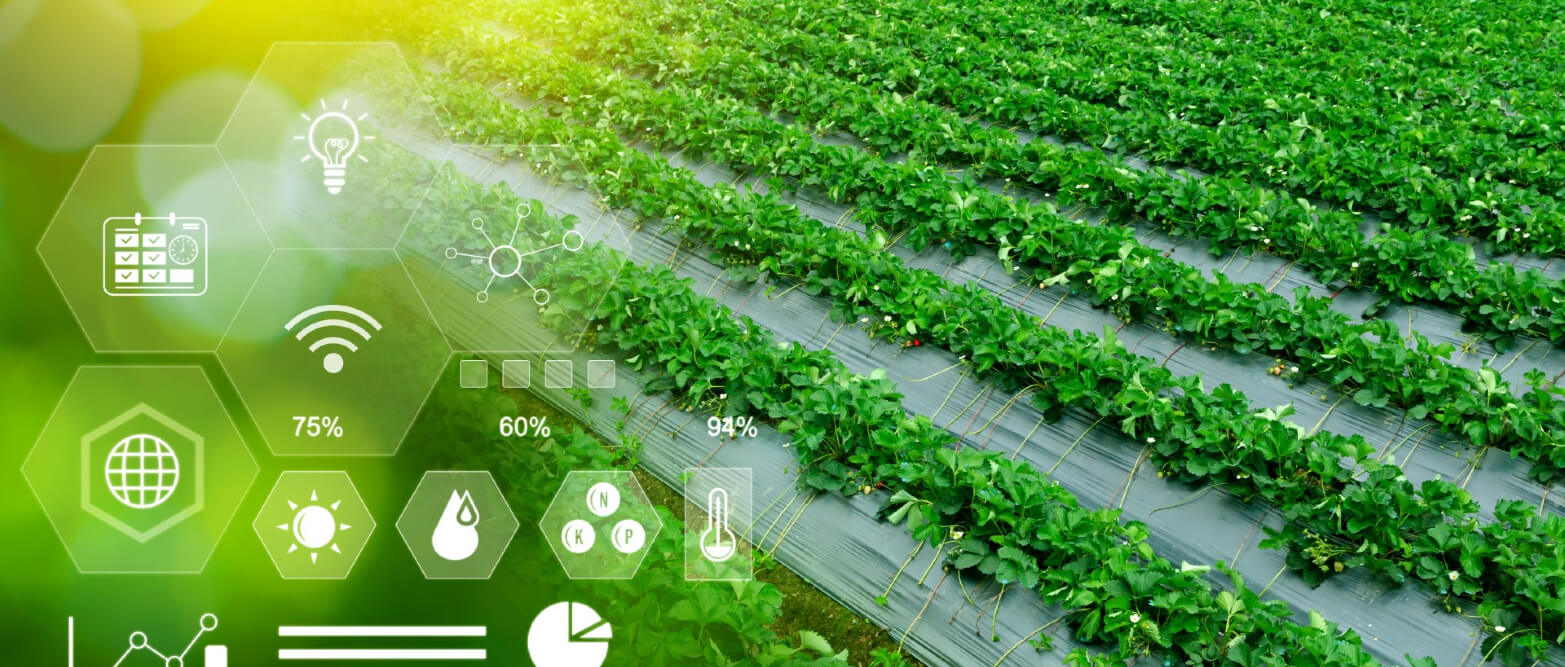
Global agricultural forecasts indicate that 2025–26 could mark a historic year for major food crop production, with wheat, rice, coarse grains, and maize all expected to reach record output levels. According to modeling from leading agricultural research bodies, global wheat production alone could approach 819 million tonnes, while coarse grains are also projected to see significant increases, signaling a potentially stronger global food supply if risks are managed effectively.
“The outlook for next year is encouraging, showing that global agriculture is capable of meeting growing food demand,” said a spokesperson from the Indian Rice Exporters Federation (IREF). “However, these projections are contingent on stable climate conditions, smooth trade flows, and effective management of plant diseases and pests.”
Rice production is also expected to remain robust, bolstered by favorable monsoon patterns in key growing regions and the adoption of high-yield varieties. Analysts note that if realized, these gains could help stabilize food prices and improve availability, particularly in regions vulnerable to supply shortages.
Despite the positive outlook, experts caution that several uncertainties could temper these projections. Climate change continues to pose a major threat, with extreme weather events such as heatwaves, floods, and droughts capable of disrupting harvests. Trade disruptions, whether due to geopolitical tensions or logistical bottlenecks, could also affect the global distribution of these crops. Additionally, emerging pests and diseases may impact yields, particularly in monoculture-dominated farming systems.
Global organizations like the FAO and World Economic Forum emphasize that sustained investment in climate-resilient agriculture, digital farming technologies, and smallholder support will be critical to ensure that record production translates into food security gains.
“While the projections for 2025–26 are promising, they also highlight the importance of preparedness,” said one FAO official. “Maximizing global food availability requires proactive risk management, policy support, and continued innovation in sustainable farming practices.”
If these conditions are met, 2025–26 could mark a milestone year for global crop production, providing hope for a more secure and stable food system amid ongoing environmental and economic challenges.

 By
By