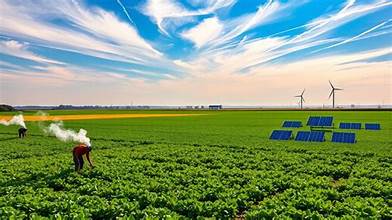
Global crop input markets are undergoing a period of significant adjustment as pesticide and agrochemical prices shift across key regions, prompting major suppliers to revise product pricing, restructure partnerships and recalibrate distribution strategies. These changes are expected to have substantial implications for farmers’ cost management and crop protection decisions in the upcoming production seasons.
Industry updates indicate that several multinational agrochemical companies have announced price revisions for herbicides, insecticides and fungicides in response to evolving raw material costs, energy market volatility and supply chain constraints. While some active ingredients have become more affordable due to eased manufacturing bottlenecks in Asia, others have increased sharply due to tight supply, geopolitical disruptions and higher logistics expenses.
The result is a mixed-price landscape that is forcing farmers to reconsider product selection, application rates and overall pest management budgets. In markets such as North America, Europe and Latin America, growers are reporting heightened uncertainty as they attempt to align input purchases with fluctuating commodity prices and shifting pest pressure forecasts. Analysts note that volatility in agrochemical markets often triggers adjustments in farm-level integrated pest management (IPM) strategies, with some farmers opting for lower-cost generics or biological alternatives where feasible.
Major agrochemical firms are also reshaping their global partnerships and distribution agreements, a trend that is influencing market access and product availability. Several companies have pursued joint ventures and regional alliances to secure supply chains, accelerate regulatory clearances and expand portfolios in fast-growing markets. These realignments are particularly pronounced in Asia-Pacific and Africa, where demand for crop protection products continues to rise alongside intensifying pest and disease challenges.
In parallel, the biologicals segment—comprising biopesticides, microbial solutions and plant-based defence enhancers—is gaining renewed attention. With traditional chemical inputs experiencing periodic price spikes, many agribusinesses are investing in biological crop protection technologies and forming partnerships with biotech startups to strengthen their long-term offerings. While biologicals currently account for a small fraction of the global market, adoption is accelerating in high-value horticulture, organic agriculture and regions facing regulatory restrictions on chemical residues.
For farmers, these shifting cost and supply dynamics are feeding into broader concerns about production budgets. Input costs represent a significant proportion of total crop expenses, and even marginal price changes in key agrochemicals can influence profitability, planting decisions and yield-risk calculations. Extension specialists recommend that growers employ scenario-based planning, diversify crop protection options and strengthen scouting programmes to ensure efficient input utilisation.
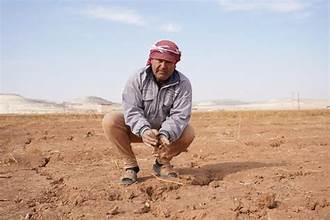
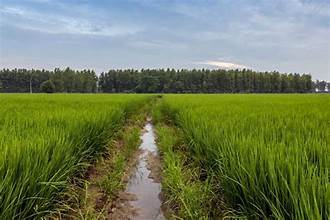
Developing countries face additional pressure. Limited access to affordable crop protection products can heighten vulnerability to pest outbreaks, directly affecting food security. Stakeholders in South Asia and Sub-Saharan Africa emphasise that stable agrochemical markets are essential to safeguarding yields for staple crops such as rice, maize and legumes. Any pricing instability or partnership disruptions could pose challenges for smallholder farmers already coping with resource constraints.
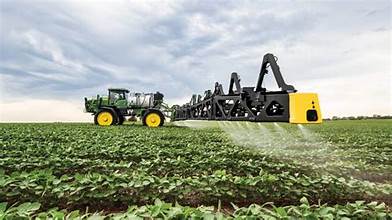
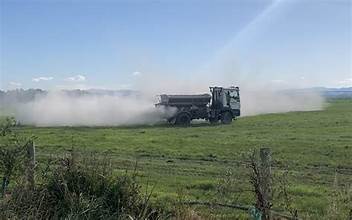
Despite the market turbulence, industry leaders note that structural innovations—digital scouting tools, precision spraying technologies and predictive pest-risk analytics—are helping farmers optimise input use and reduce dependence on reactive chemical applications. These advancements are expected to play an increasingly important role in balancing cost pressures with sustainable production practices.
As global crop protection markets continue to evolve, the ripple effects will shape farm-level decision-making, input procurement cycles and long-term agricultural resilience. The coming seasons may serve as a critical test of how effectively farmers and industry players adapt to the shifting economics of crop inputs.

 By
By