Rising geopolitical tensions in the Middle East are raising fresh concerns about a possible increase in global food prices, as farmers and market analysts warn that the ongoing conflict involving Iran could disrupt key supplies of oil and fertilizers. Experts say that any prolonged instability in the region may increase agricultural production costs worldwide and eventually push up the prices of essential food commodities.
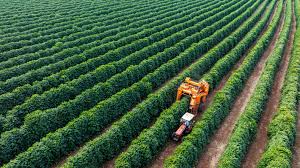
The Middle East plays a crucial role in global energy markets, and disruptions in oil production or shipping routes could have immediate consequences for agriculture. If tensions affect the movement of oil through major trade corridors, fuel prices could rise significantly. Since fuel is a critical component in agricultural operations—from running farm machinery to transporting crops—higher energy costs would directly increase the cost of food production.
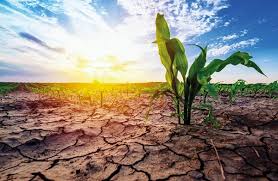
Another major concern is the possible impact on fertilizer supplies. Fertilizer manufacturing relies heavily on natural gas and other energy sources, and higher energy prices can quickly translate into more expensive agricultural inputs. If fertilizer prices increase, farmers across many countries may face higher costs for cultivating crops such as wheat, rice, maize, and vegetables. In some cases, farmers might reduce fertilizer use to manage expenses, which could ultimately affect crop yields and productivity.
Agricultural economists warn that these rising production costs could gradually pass through the supply chain. As farmers, processors, and transporters deal with higher operational expenses, the cost of food products may increase in both domestic and international markets. Consumers could eventually see higher prices for everyday staples such as bread, grains, and fresh vegetables.
The global food system is already under pressure from climate variability, supply chain disruptions, and fluctuating input costs. Experts say that geopolitical tensions in key regions can further complicate the situation by affecting energy markets and international trade flows. Countries that rely heavily on imported fertilizers or fuel could feel the impact more strongly if supply disruptions persist.
Despite these concerns, analysts note that global food markets still have some resilience due to existing grain stocks and diversified supply sources. However, if the conflict continues for a prolonged period, the combined effect of higher fuel prices, fertilizer shortages, and rising transportation costs could create inflationary pressure on global food markets.
As the situation evolves, governments, international organizations, and agricultural stakeholders are closely monitoring developments in the region. Ensuring stable supply chains for energy and agricultural inputs will be essential to prevent major disruptions in global food production and to keep food prices stable for consumers around the world.

 By
By